
15% Off
Route Length
Max Altitude

Trek Duration

Trek Difficulty
Base Camp Area

Pickup Point
10+ Years Age
First timer can apply, previous trekking experience is more appreciated.
Cover 5 km of distance in 30 minutes without a stress.
+917055048487, +917055048488
trekkingcompass@gmail.com
Satopanth Lake Trek is all about the glacial lake at 15,090 ft (4,599 m), which is a false notion. It sells this trek short because it is rich in culture, mythology, and landscapes. It gives the essence of the epic Mahabharata to the last tracks of the Pandavas on this trek. Ved Vyas and the Pandavas are etched throughout this trek.
What makes this trek special is its trail and the views en route of Mt. Neelkanth (6,500 m) and Chaukhamba massif (7,140 m to 6,850 m). Other not-to-be-missed peaks on this trek are Mt. Balakun, Mt. Swargarohini, Mt. Narayan, Mt. Parwati, etc. These peaks aside, this trail also has stunning views of glaciers like Swargarohini Glacier, Alkapuri Glacier, and Dhano Glacier. The Alkapuri glacier is where the Alaknanda River originates and is your steadfast companion.
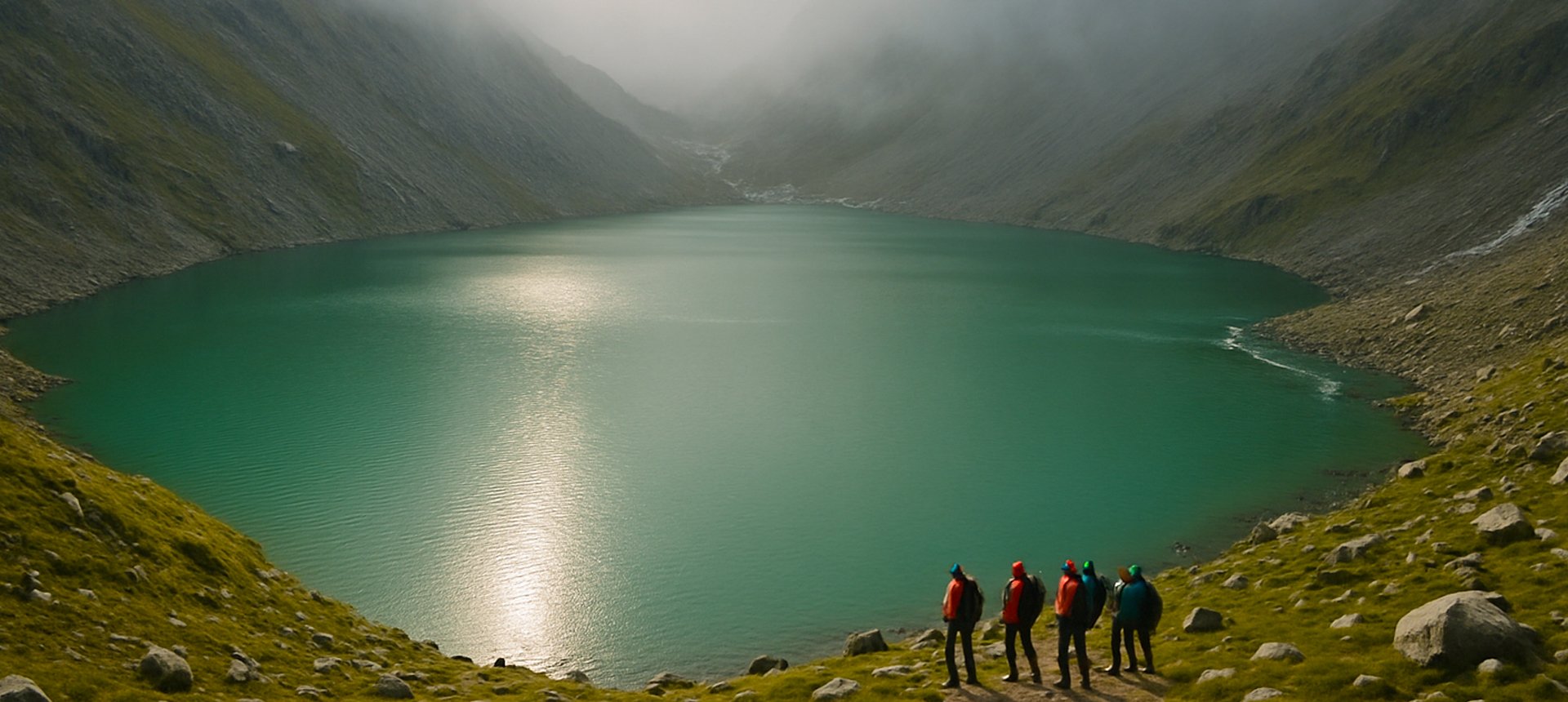
Other water attractions on the Satopanth Lake trek are Vasundhara Falls and Sahastradhara (a large rock formation). The former is popular for its medicinal nature and the latter for the 100 waterfalls that fall from it. Lastly, the main attraction, Satopanth, the emerald lake, awaits you to take your breath away with its beauty and grandeur.
Nature is extraordinarily generous on this trek, but so is mythology. The stories keep you interested at every step, starting from Badrinath to Mana village, then Vasudhara Falls to Chakratheertha, and Satopath Lake. Places like Bheem Pul exist to give you a new perspective on the religious scriptures. The trek becomes whole with the lifestyle and culture of the Bhotiya tribe living in these mountains. This trek is for every enthusiast, be it a nature enthusiast, a cultural enthusiast, or a religious enthusiast. Which one are you?
Sailang Altitude: 5,800 ft (1,767 m)
Altitude Gain: 4,680 ft (1,426 m)
Travel Distance: 244 km
Travel Hours: 7 to 8 hrs (approx.)
Today, you reach Sailang from Rishikesh. The day starts when trekkers meet our (Trekking Compass) travel associates at Rishikesh. Hereron, you board vehicles for Sailang, a small village approximately 244 km from Rishikesh. The drive there takes 7 to 8 hours, but the promising next day and the views make it a cakewalk.
Sailang is our stop of choice; others also choose Joshimath, Karchi, Peepalkoti, Badrinath, etc. From Sailang, your drive to the Mana village is 2 hours (maximum), and then we trek beyond that point. Sailang village humbles you with the enormous mountains standing in your view. One prominent view is of Mt Dronagiri. It is not completely visible, but its towering peak reminds you of its presence.
While on your way to Sailang, you drive through spiraling hilly roads and pine trees lining the streets. These pine trees are fringed across the steep hills and even steeper valleys. Altogether, they remind you that beauty is in the finer details of nature. You pass through 4 Prayags on your way to Sailang. These are Devprayag, Rudraprayag, Karnaprayag, and Nandaprayag.
Once you reach Sailang after the day-long journey, you will get to rest at the lodging and acclimatize yourself. This stop will also be your last stop to keep your batteries charged.
Lakshmi Van Altitude: 11,910 ft (3,630 m)
Badrinath Altitude: 10,830 ft (3,301 m)
Mana Village Altitude: 10,564 ft (3,220 m)
Altitude Gain: 6,110 ft (1,862 m)
Travel Distance: 50 km (drive) + 8 km (trek)
Travel Hours: 2 hrs + 5 hrs ( 7 hrs approx.)
Today is jam-packed as the journey begins from Sailang to Mana village (the last village before the Indo-China border). On your way to Mana, you cross the Badrinath Dham. If time allows, you can get darshan (a look) too. After 45 km to Badrinath, Mana remains only 3 km away. On the road, you can cover this distance in 15 minutes, and you will be at Mana Village.
Mana village is widely known for being home to the Pandavas during their exile. It is 24 km from the Indo-China Border and is the base village for the Satopanth Lake Trek. Other popular spots near Mana are Bheem Pul, Vyas Gufa, Vasudhara Falls, and Mata Murti Mandir. Mata Murti Mandir is an auspicious temple on this route, and trekkers are encouraged to get her blessings for a successful trek.
The trek starts as you climb down the road to Mana and cross the Alaknanda River on a bridge. The trail gradually ascends as you trek to Lakshmi Van (Campsite 1). The entire Satopanth Lake Trek is on the left side of the crackling waters of the Alaknanda River. The trail from Mana is human-made and relatively easy for the first few kilometers. After 3 to 4 km further on the trail, you reach Anandvan, known for its vibrant flowers during the Spring and Summer seasons.
A little further in the trail from here, you see the Vasudhara Falls on your right-hand side. The Satopanth Lake Trek is on the left bank of the Alaknanda River, keeping you from visiting the waterfall, but you can still enjoy the view. The sound of falling water soon starts to fade, and you reach Lakshmi Van (a meadow amidst towering mountains).
Lakshmi Van (today’s campsite) has characteristic Bhojpatra trees, the Alaknanda River, and some spectacular views. You can view Neelkanth Parvat’s peak, Chaukhamba 1, 2, and 3, and Balakun. Other watch-worthy views are of the Nar Parvat, Alkapuri Glacier, and the Kuber Parvat.
Chakratheertha Altitude: 13,800 ft (4,206 m)
Altitude Gain: 1,890 ft (576 m)
Travel Distance: 7 km
Travel Hours: 6 hrs (approx.)
Today is about getting closer to Satopanth Lake and learning more about the Satopanth Yatra (where Sato means truth and Panth means path), the “Path of Truth.” The day starts with breakfast and ends with a good night’s sleep at Chakratheertha (Campsite 2).
The first patch on the trek is a moraine trail along the bank of the River Alaknanda. After 2 km, you reach the terminal moraines of the Dhano Glacier and cross it for the next 3 km of today’s trail. After this patch, the Sahastradhara Falls welcomes you with its hundreds of waterfalls. If you are at Sahastradhara after the peak seasons, you will find frozen waterfalls. They are at their best during the peak seasons (May to mid-July and Sept-Oct).
Sahastradhara Falls is another 1.5 km from your trek. After ascending for half an hour from there (end of Sahastradhara), you reach a circular valley called Chakratheertha. Locals believe the area got its shape from Lord Vishnu’s Sudarshan. The views of Chakratheertha are even better than Lakshmi Van. If the weather permits, you can see the Bhagirathi Peak, Mt. Neelkant, Swargarohini glacier, etc., from Chakratheertha.
Satopanth Tal Altitude: 15,090 ft (4,599 m)
Chakratheertha Altitude: 13,800 ft (4,206 m)
Altitude Gain/Loss: 1,290 ft (393 m)
Travel Distance: 5 km + 5 km (10 km approx.)
Travel Hours: 9 hrs (approx.)
Today starts with newfound enthusiasm as it is the final climb to the “Desired Destination.” After breakfast at Chakratheertha, the 5 km trek to Satopanth Lake starts. Every trekker has a different final goal, but the same physical destination. Some are trekking for the piousness of the lake, some for the glacial nature, and some for the thrill of being there.
The trek begins with walking on a flat grassland with a gradual ascent, which leads you to the boulder and moraine areas. These rocky areas are steep climbs and will test your will, so trekking with a fit body becomes all the more important. After 3.5 hours of trek, you are at the top of the ridge and get the first view of the Satopanth lake below. Descend to the lake and you witness alpine beauty in a package.
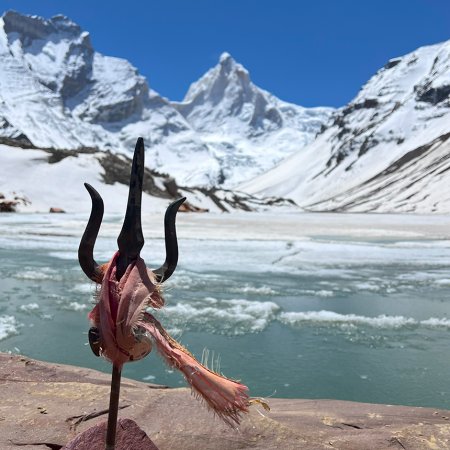
The Satopanth Lake is triangular with three sharp edges that have religious significance. Its emerald green and clear waters signify its alpine nature and freshness. The Tridevs from Hindu Mythology inhabit the three corners of this pious lake. Locals believe they (the Tridevs) visit here to meditate on every Ekadashi.
The views from the lake are unparalleled; the lake appears to be right at the foot of Mt. Neelkanth. Other peaks visible are Mt. Swargarohini, Chaukhamba Massif, and Mt. Balakun. The lake is known for its clean water, even after locals disposed of the remains of their loved ones. There are reasons to believe that some rare birds keep this lake clean. Locals also believe that these birds are disguised as Gandharvas.
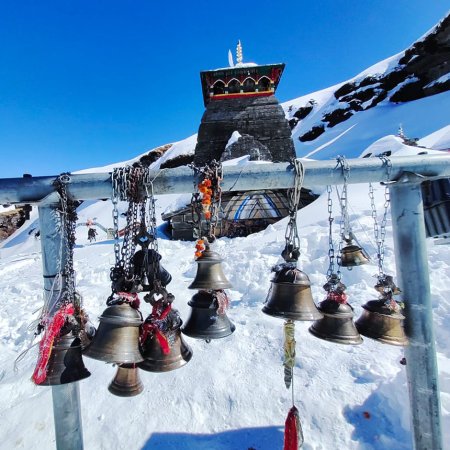
For religious people, the lake has a Shiv Mandir too. Many perform Pujas here to thank Lord Shiva for a successful trek. It’s also a popular belief that a dip in the waters of this lake on Ekadashi frees you of all your sins. After spending around 2 hours at the lake, it’s time to go to Chakratheertha.
P.S. Bheem, the 4th Pandava, and the last brother Bheem died at Satopanth Lake, and Yudhishthira continued to the steps of heaven (Swargarohini).
Sailang Altitude: 5,800 ft (1,767 m)
Altitude Loss: 8,000 ft (2,438 m)
Travel Distance: 15 km (trek) + 50 km (drive)
Travel Hours: 6 hrs + 2 hrs (8 hrs approx.)
You have a long day ahead of you today. These are trekking, driving, and stories at every stop on your way to Sailang from Chakratheertha. You wake up at Chakratheertha, where Arjuna died on his way to Swargarohini. Then you descend to Sahastradhara Falls and get stories of Indra, his wife, and the Pandavas’ exile. At Lakshmi Van, you are reminded of the myth that Goddess Lakshmi resides there with her husband, Lord Narayana. Cross Lakshmi Van, and you come across Vasudhara Falls and Anandvan, where Nakul and Sahadev died.
Mana village tells the story of Draupadi and how her soul left her body right in that village. This village also has more to offer. You can stay if you wish to explore places like Badrinath (5 km from Mana), Vyas Gufa, and Bheem Pul. If you so choose, you will see your arrangements back to Rishikesh. Otherwise, you can tag along to Sailang and Rishikesh via Badrinath with our (Trekking Compass) team.
If we descend on time, we might catch a glimpse (darshans) of Badrinath Ji. You can also enjoy the waterfall and the hot water spring at Badrinath if there is less of a crowd. Eventually, you’ll retire to your hotel rooms at night.
Rishikesh Altitude: 1,120 ft (340 m)
Altitude Loss: 4680 ft (1,426 m)
Travel Distance: 244 km
Travel Hours: 7 to 8 hrs (approx.)
Today, you return to Rishikesh from Sailang. Memories of the time spent during the trek and at Satopanth Lake will be with you. This place will call some people back and inspire others to take on more treks. Kedartal Trek, Brahmatal Trek, Bali Pass Trek, etc., are some treks to consider.
The photos and memories of Mt. Neelkant, Mt. Swargrohini, and Satopanth Lake will make for a formidable part of your life, a story worthy of conveying to the next generation. Your way back comes with more promises, especially in Rishikesh. The Yoga Capital of India (Rishikesh) offers river rafting, Neer Garh waterfall, Triveni ghat, and the Beatles Ashram.
Other en-route attractions from Sailang to Rishikesh are the four confluences that form the River Ganges (Maa Ganga). You see the Nandakini, Pindari, Mandakini, and Bhagirathi rivers. They finally become one as Maa Ganga (the River Ganges). The route becomes more attractive for religious people with temples like Dhari Devi Temple, Latu Devta Temple, Shree Garuda Temple, Koteshwar Temple, Siddhanta Temple, Maa Uma Devi Temple, Vridhi Badri Temple, and Maa Uma Devi Temple.
Accommodation
Meals (Vegetarian only with eggs option available)
Nutritious meals from Day 1's dinner to last day's breakfast, following the itinerary schedule.
Expert Support
First Aid Preparedness
Fully equipped medical kit including a stretcher, oxygen cylinder, blood pressure monitor, oximeter, and stethoscope to ensure safety throughout the journey.
Storage Facilities :- A secure room at the base camp to store additional luggage not needed during the trek.
Permits and Entry Fees :- Coverage of all necessary permits and entry fees, in line with standard charges for Indian nationals.
Transportation :- A round-trip transport from the pick-up point and back at the same point as a part of the itinerary.
Trek Equipment
Insurance :- Personal insurance is mandatory and not included in the package.
Personal Expenses :- Any expenses of a personal nature, including shopping, snacks, hiring a mule or porter for carrying your belongings, or acquiring personal equipment.
Emergency Costs :- Expenses arising from emergency evacuations, hospitalization, or any medical treatments required.
Unspecified Services :- Any services or items not explicitly mentioned under the "INCLUSIONS" section.
Food Costs :- We will not cover any food costs during your transit to and from the base village.
Trekking is not only about enjoying the change of scenery but also about being responsible. Our (Trekking Compass) responsibility is to provide you with an opportunity for a safe trek. But, how do we do that? We do that when you fulfill your end of the responsibility and are honest with us. To keep you safe we need to be sure there isn’t any inherent threat to your being.
Treks are at higher altitudes and it becomes difficult, almost impossible to provide you with immediate medical assistance. Therefore, we cannot help you if you don’t help us. Trekking is only one of the things you can do, but there are plenty of other things to do too. Don’t risk your life for the thrill.
To approach a trek with utmost safety, we want you to submit the following documents:
Personal Confirmation Statement (Compulsory for anyone over 18 years)
You are participating in a trek at high altitudes and it comes with its own sets of risks. This Personal Confirmation Statement will make sure that you understand all the risks you're buying into. Trekking Compass wants you to confirm your complete understanding of these risks so that you come prepared for any mental or physical challenges ahead.
This statement is also a declaration from you that, "All the information I have provided, including medical conditions, is true. If found false under any circumstances, I will be held accountable and it has nothing to do with Trekking Compass."
We have the utmost empathy for you and will do our best to help wherever possible, but only after assessing your readiness and safety for the trek. This is how our team will adequately prepare for whatever risks we might face during the journey. Concerning individuals are requested to thoroughly cross-check the requirements and only then sign the document.
Parent/Guardian Approval Statement (Compulsory for anyone below 18 years)
For participants under 18 years of age, the Parent/Guardian Approval Statement is essential to confirm that a legal guardian understands and consents to the participation in the trek. Once we have this document, we are affirmed that the parent or guardian is fully aware of the risks involved in trekking at high altitudes and is consenting to their child's participation.
No underage (below 18+) children are welcome on the trek without their parent's consent. Submission of this document reassures us that parents are approving that their child meets the health and fitness requirements for the trek, after a thorough examination.
This legal confirmation holds the parent liable for any discrepancies, freeing Trekking Compass from any liabilities for the same. Parents are requested to thoroughly cross-check the requirements and only then sign the document.
Medical Liability Waiver
The Medical Liability Waiver makes sure participants acknowledge the health risks associated with trekking at high altitudes. Common ailments during treks include altitude sickness, dehydration, muscle cramps, hypothermia, and fatigue, all of which can significantly affect your trekking experience. Additionally, weather changes and the physical demands of the terrain may exacerbate pre-existing conditions.
If you have pre-existing medical conditions such as asthma, diabetes, or heart issues, it’s vital to inform us and carry your necessary medications. Trekking Compass cannot provide immediate medical assistance in remote areas, so having the essential medications, such as inhalers, insulin, or any other prescriptions, is crucial for your safety during the trek.
By signing this waiver, you confirm that you are in good health and have taken the necessary precautions. You acknowledge these risks and agree not to hold Trekking Compass liable for any medical issues or accidents that may arise during the trek.
For any further doubts about anything mentioned above, below is our contact information:
OFFICE ADDRESS: Lane No. 4 Krishna Vihar Mohkampur, Dehradun, Uttarakhand, 248005
PHONE NUMBER: +91 7055048487, 7055048488
EMAIL ADDRESS: info@trekkingcompass.com
HOW TO REACH ? (RISHIKESH)
Note: Keep a buffer day in your getaway in addition to the total days in the itinerary. This day will come in handy in case of any political unrest, landslides, or rains. If not, you can use the extra day to get to know Rishikesh. This means that for an itinerary ending on the 15th of a month, book your return tickets for the 16th.
What are the different ways to reach Rishikesh?
On the Kuari pass trek, our first long-day trip is from Rishikesh to Sailang (244 km). Therefore, trekkers need to reach Rishikesh to start the trek. The first move to reach Rishikesh for any trekker is to reach either Dehradun or Delhi. Later, every trekker can choose their choice of transport. The available transports for Rishikesh are:
Medium: BUS
A Friendly Note: You should travel by government buses instead of private ones because the private buses tend to take more time than expected. To avoid missing the pick-up time, try traveling by government bus, wherever possible.
Medium: TRAIN
Medium: FLIGHT
Fly Directly to Dehradun and then to Rishikesh: To fly directly at Jolly Grant Airport Dehradun, there are multiple flights from metropolitan cities. The companies that facilitate these flights are:
Fly to Delhi then take a bus or train to Rishikesh: It’s very easy to fly to Delhi from anywhere in the country and take a bus to Rishikesh. You will find a detailed description of buses in the BUS section. The companies that facilitate these flights to Delhi are:
Note: Make sure that the mode of transport you choose should bring you to Rishikesh a day before Day 1, i.e., Day 0. You can fly to Delhi and Dehradun from Mumbai, Kolkata, Bengaluru, Chennai, Hyderabad, Pune, and to Dehradun from Delhi too.
What happens on the drop-off day
Here are the points that explain your drop-off:
Special Case: What if you miss our pick-up?
You shouldn't panic and follow one of the below-mentioned ways to Joshimath:
| Backpack with rain cover / Trolley Bag | Main bag for gear. |
| Day pack with rain cover (20 - 30 L) | For day essentials, if the main pack is off-loaded. |
| Walking stick | Recommended (at least one). |
| Water bottle/ Hydration pack | 2 bottles (1L each) or 1 hydration pack and 1 bottle. |
| Snacks | Energy bars, dry fruits, ORS/electrolytes. |
| Personal Medical Kit | As prescribed by your doctor. |
| T-shirts (Synthetic, quick-dry) | 2 full-sleeve, 2 half-sleeve. |
| Fleece T-shirts | 2 pieces. |
| Wind-stopper / Fleece jacket (upper) | 1 piece. |
| Windproof jacket | 1 piece |
| Down feather / Hollow jacket | 1 piece |
| Thermal innerwear (Upper & Lower) | 1 set. |
| Trekking pants (Synthetic, quick-dry) | 3 pairs. |
| Wind-stopper / Fleece pants (lower) | 1 pair. |
| Waterproof gloves | Not required. |
| Fleece / Woolen gloves | 1 pair. |
| Poncho / Waterproof jacket and pants | 1 set. |
| Head torch / Hand torch | 1 piece. |
| Sun cap | Required. |
| Woolen cap | 1 piece. |
| Balaclava | 1 piece. |
| Buff/ Neck gaiters | 1 synthetic, 1 woolen. |
| Sunglasses | UV protection with side covers (for spectacle users: contacts or photochromatic lenses). |
| Trekking shoes (waterproof, high ankle, good grip) | 1 pair. |
| Floaters / Flip-flops | 1 pair. |
| Cotton socks | 4 pairs. |
| Woolen socks | 2 pair. |
| Sunscreen | 1 piece. |
| Moisturizer | 1 piece. |
| Lip balm/ Chap-stick | 1 piece. |
| Toothbrush and toothbrush | 1 set. |
| Toilet paper and wipes | 1 pack each. |
| Soap/ Hand sanitizer | 1 piece. |
| Quick-dry towel | 1 piece. |
The best time for the Satopanth Lake Trek is from May to June and again in September to mid-October. During May–June, trekkers enjoy clear weather, melting snow, and blooming alpine flowers. Post-monsoon, the skies open up to stunning Himalayan vistas, and the trail remains relatively stable before winter snow sets in. Attempting this trek in monsoon or late winter is risky due to landslides and snow blockages.
The trek is considered moderate to difficult. While the initial trails from Badrinath are straightforward, the sections near Laxmi Van and Chakratirth involve moraine walks, loose boulders, and glacier terrain. The altitude (4,600 m) makes breathing difficult, requiring stamina, mental endurance, and proper acclimatization.
The trek is approximately 40 km (round trip from Badrinath) and usually takes 5–6 days. Trekkers walk for 5–7 hours a day, with overnight halts at campsites like Laxmi Van and Chakratirth before reaching the sacred Satopanth Lake.
The highest point is Satopanth Lake at 4,600 m (15,090 ft), a triangular-shaped glacial lake surrounded by towering Himalayan peaks.
Satopanth is steeped in mythology. It is believed that Brahma, Vishnu, and Mahesh meditate at each of the lake’s three corners. The Pandavas are also said to have taken this path during their final journey to heaven. Locals believe the waters are blessed and possess purifying powers.
Yes. Since the trek involves glacier terrain and moraine walking, previous experience of at least one high-altitude Himalayan trek above 3,500 m is recommended.
Trekkers stay in hotels/guesthouses in Badrinath before starting and then camp in tents at designated campsites such as Laxmi Van, Chakratirth, and Satopanth Lake.
Permits for entering the Nanda Devi Biosphere buffer zone are required. Trek organizers usually arrange these, along with forest department permissions.
Yes. Since the trek touches 4,600 m, trekkers may face AMS (Acute Mountain Sickness). Symptoms include headache, fatigue, and nausea. Proper acclimatization, hydration, and gradual ascent are essential.
Good fitness is mandatory. Trekkers should be able to walk 10–12 km uphill with a backpack daily. Pre-trek training like running, stair climbing, and strength workouts are strongly advised.
The trek begins from Sailang, which is accessible by a 10–11 hour drive from Haridwar/Rishikesh. From Badrinath, the trek starts on foot.
Yes, when done with a certified guide. Glacier crossings and weather shifts are challenges, so going solo is not recommended. As a solo trekker you can join our fixed group departures and end up making lifelong friends. Trekking solo without a guide is possible but not recommended due to navigation and safety concerns.
ATMs: Available in Joshimath, but unreliable.
Electricity: Only at Badrinath, no electricity during trek.
Network: Patchy in Badrinath, none en route.
It’s one of the few treks in Uttarakhand that combines spirituality, mythology, and adventure. Standing at the lake, with peaks rising around and stories of gods and Pandavas echoing in the air, makes this trek unforgettable.
Our trek leaders are trained in first aid and equipped with oxygen cylinders and stretchers. The nearest medical facilities are available at Sailang, and evacuation arrangements are made if required. Travel insurance covering trekking is strongly advised.
Yes, trekkers who don’t wish to carry their backpack can opt for mule/porter services at an extra cost. This allows you to trek light while still enjoying the Satopanth Lake Trek experience.
Handpicked routes with strong scenery, reliable pacing, and a premium featured block that still stands apart from the rest of the archive page.
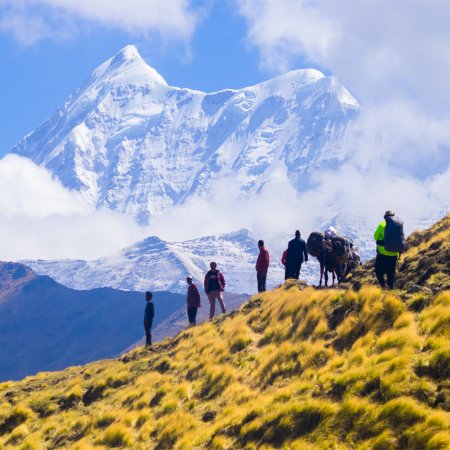
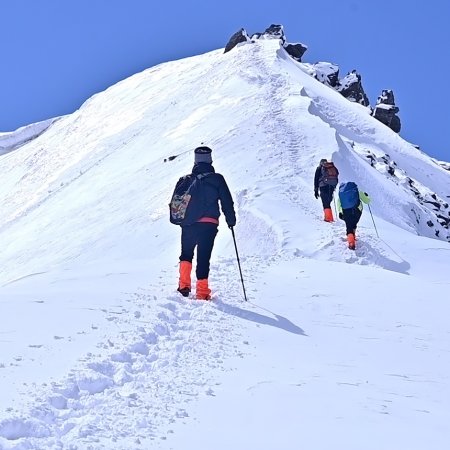
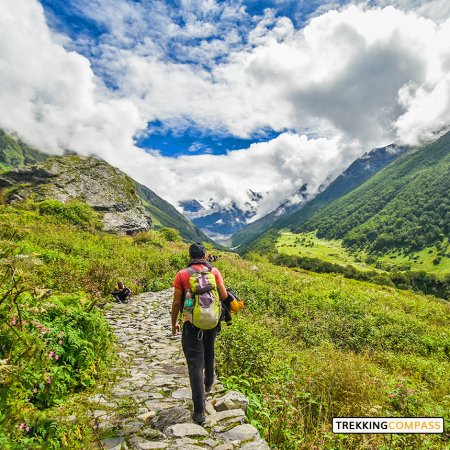
Crafted routes, reliable execution, and a trekking experience that feels premium from planning to summit.
 Safety
Route checks, first-aid readiness, and trained leaders to keep every step confident.
 Routes
Better pacing, better camps, and real acclimatization designed for experience, not speed.
 Groups
Less crowd, more care so you enjoy the trek, not just finish it.
 Trust
Trust
Clear inclusions, no hidden surprises, and real human support on WhatsApp.