

 Duration
 Route
Route Price
Price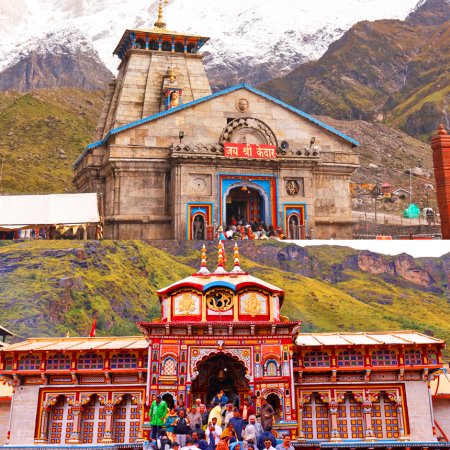
 Safety
Safety & On-Ground Support
Route checks, first-aid readiness, and trained leaders to keep every step confident.
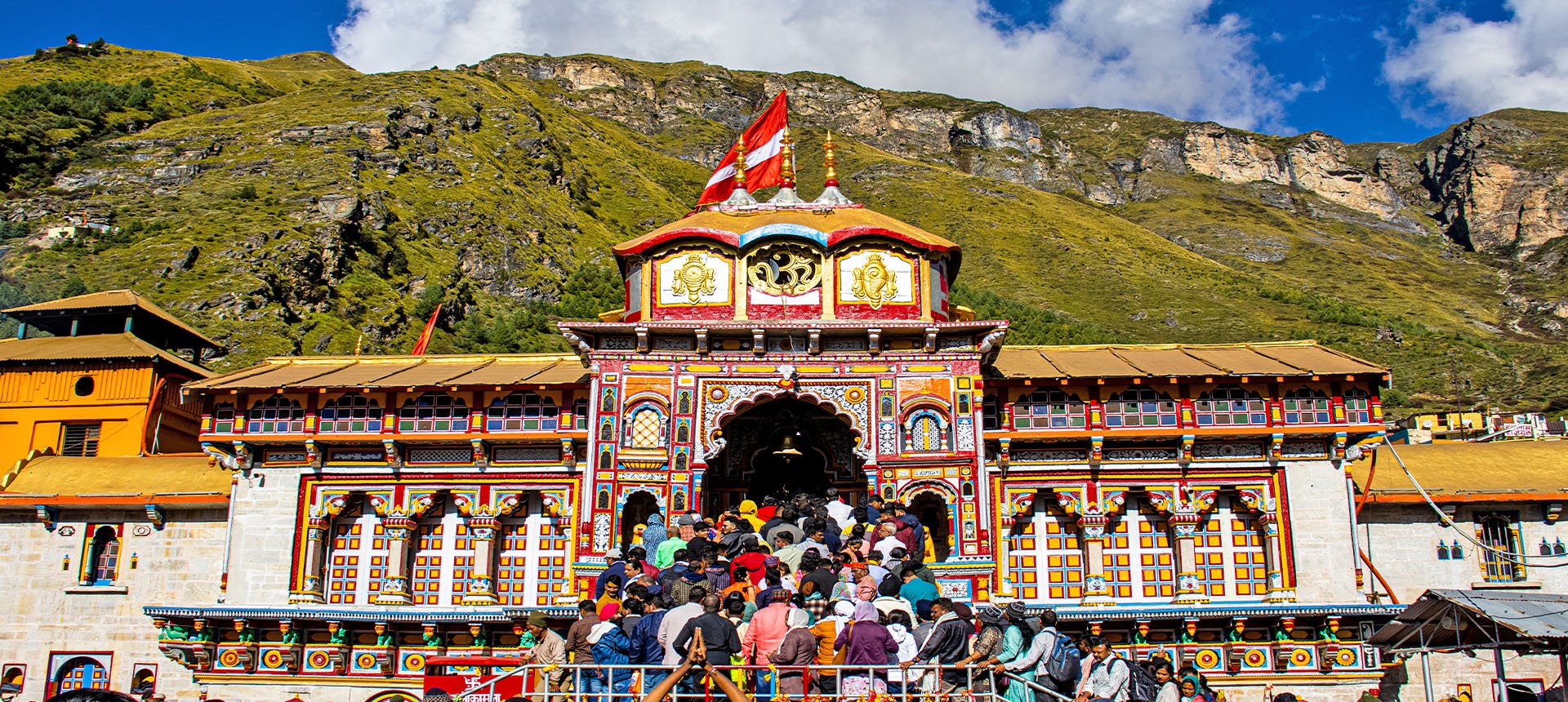
Do Dham Yatra is the second best option for devotees with a time restraint. Unlike the Char Dham Yatra (Yamunotri, Gangotri, Kedarnath, and Badrinath), the Do Dham Yatra takes you to two Dhams. They are Kedarnath and Badrinath Dham. Likewise, the journey thus shortens to 5 nights and 6 days.
Hindu devotees, with Lord Vishnu and Lord Shiva in their hearts, go on this pilgrimage with hopes of attaining salvation.
The journey map includes the following relevant markers (Dhams):
Haridwar → Kedarnath → Badrinath → Haridwar
This journey takes you from Haridwar and leaves you back at Haridwar. Many devotees find it a perk as they have their fair share of Holy River Ganga’s darshan. The route markers are not the only relevant places you'll visit and stay at. Here's a walk-through of other places you'll visit:
Haridwar → Sitapur ↔ Kedarnath → Pipalkoti ↔ Badrinath → Haridwar
The trip has more relevant details that you can find in the day-wise Do Dham Yatra itinerary below. If any doubts remain, contact us here.
The day will start with you, meeting our representative at Haridwar, early in the morning. There, after a small introduction, you board a taxi for Sitapur. Driving through the spiralling roads, lined with pines, along river Ganga and Alakhnanda, you reach Sitapur by evening. After the hotel check-in, you can explore Sitapur or rest for the trek tomorrow. Tomorrow is a big day, especially with the 22 km long trek.
There are many temples on your way to Sitapur. They are Mata Dhari Devi Temple, Shree Vishwanath Temple Guptkashi, Shree Kamaleshwar Mahadev Temple, Raj Rajeshwari Mandir, Vashishth Gufa Temple, etc. On the way to Sitapur, you will also encounter Triveni Ghat, Rudraprayag, Rishikesh, Devprayag, Srinagar, Ukhimath, etc.
Your morning starts with a light walk ( 700 m) from Sitapur to Sonprayag taxi stand. Here, you board taxis for Gaurikund, which is a 6 km drive from Sonprayag. At Gaurikund, devotees have two options;
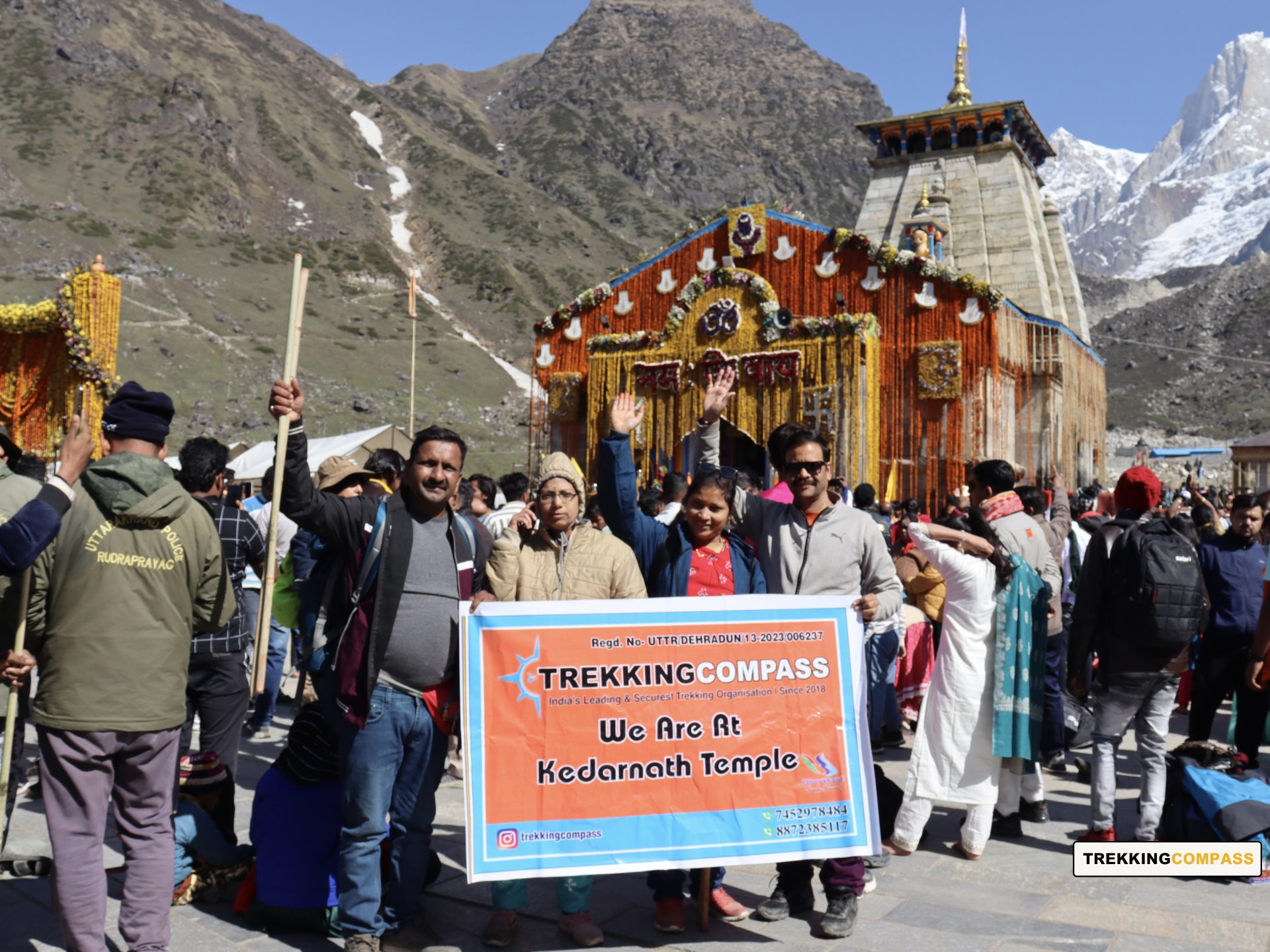
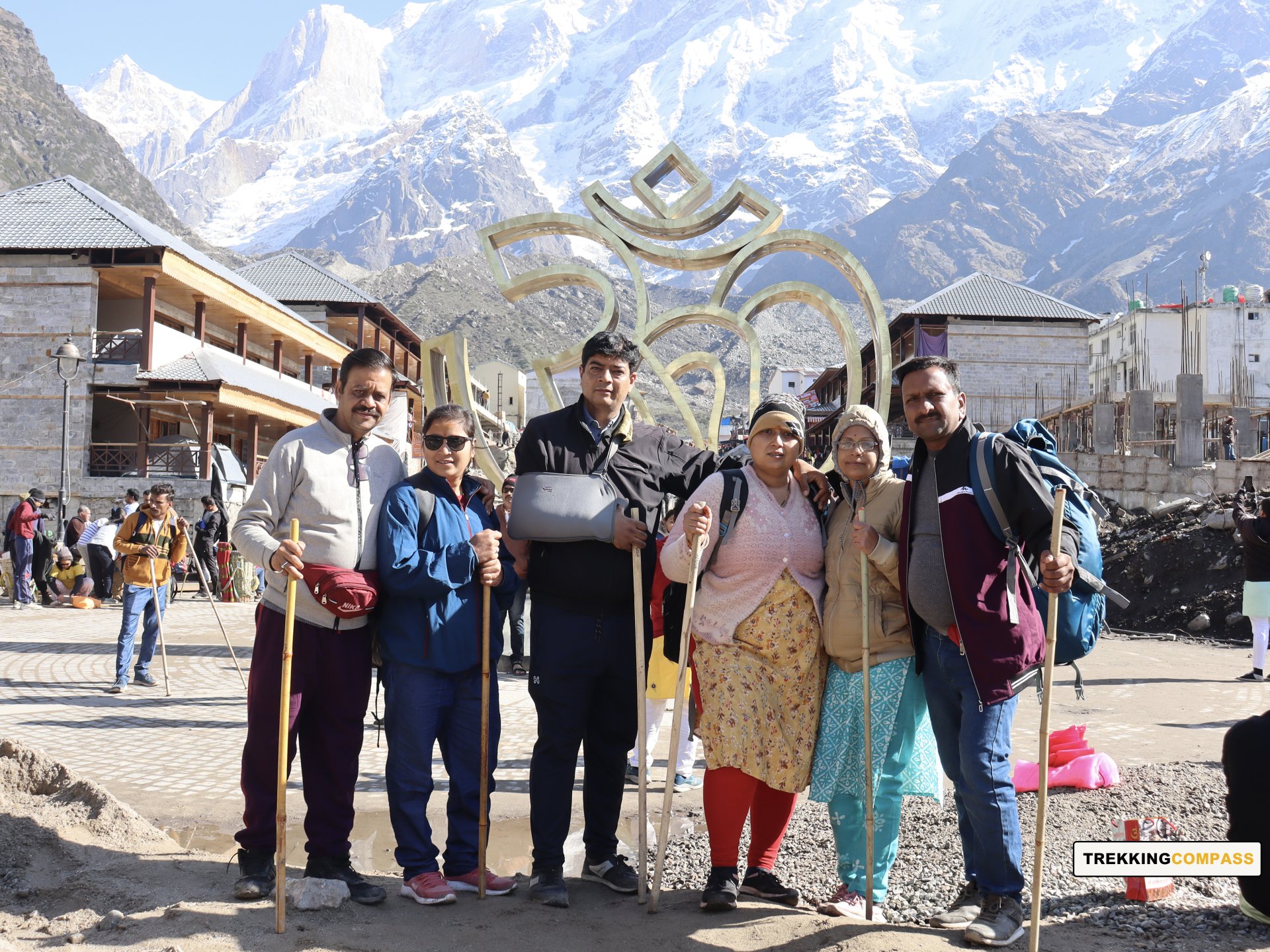
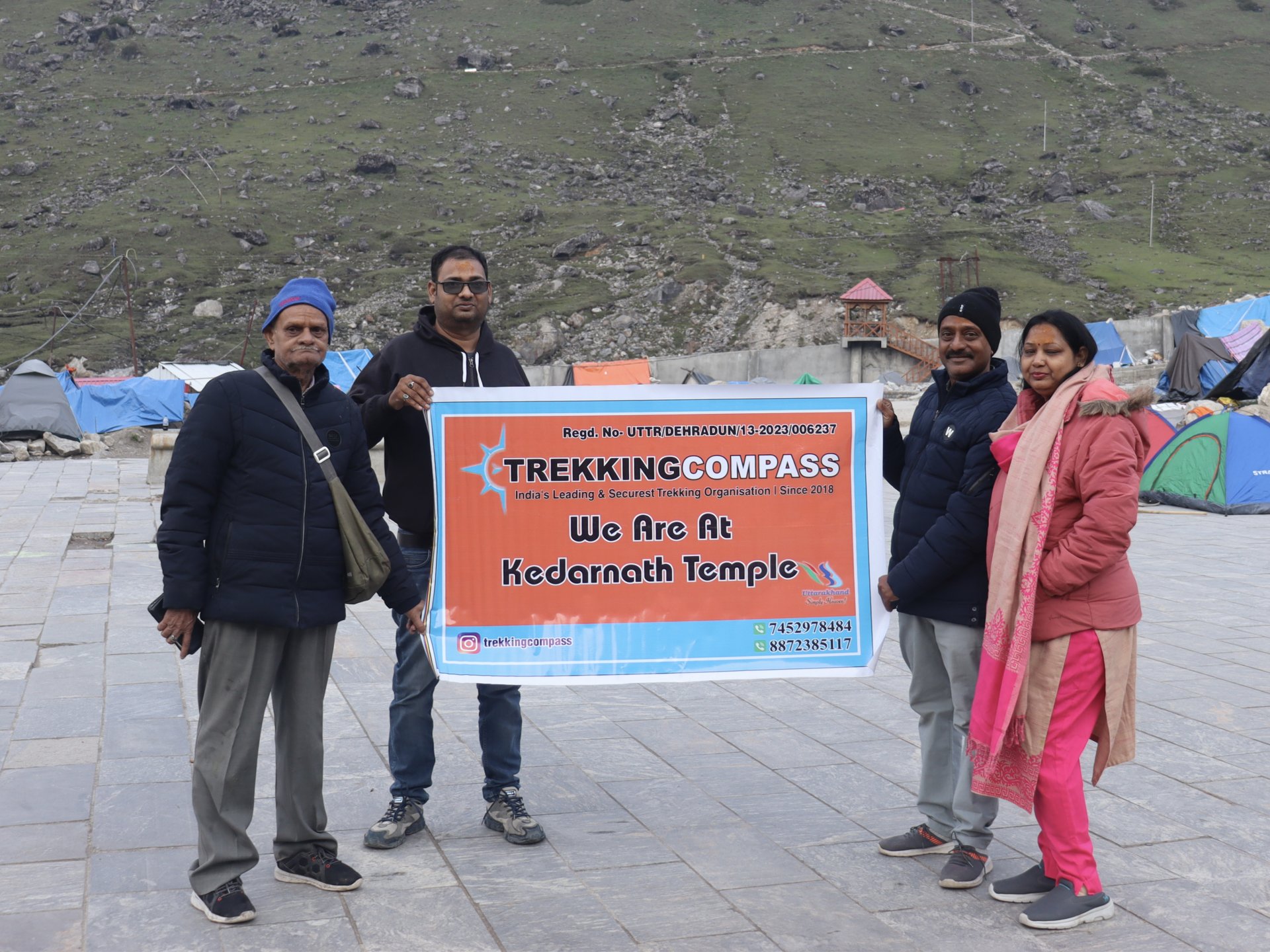
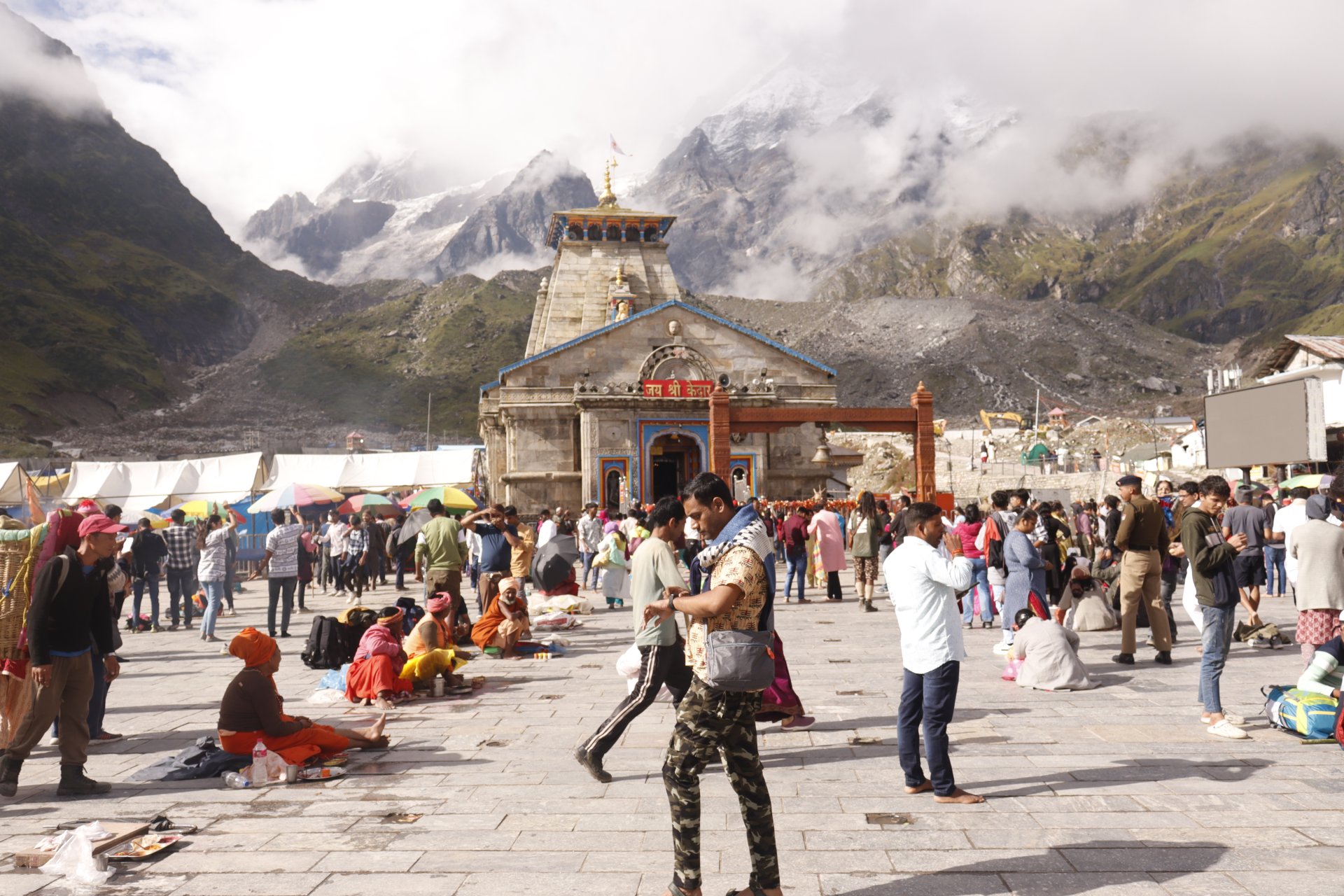
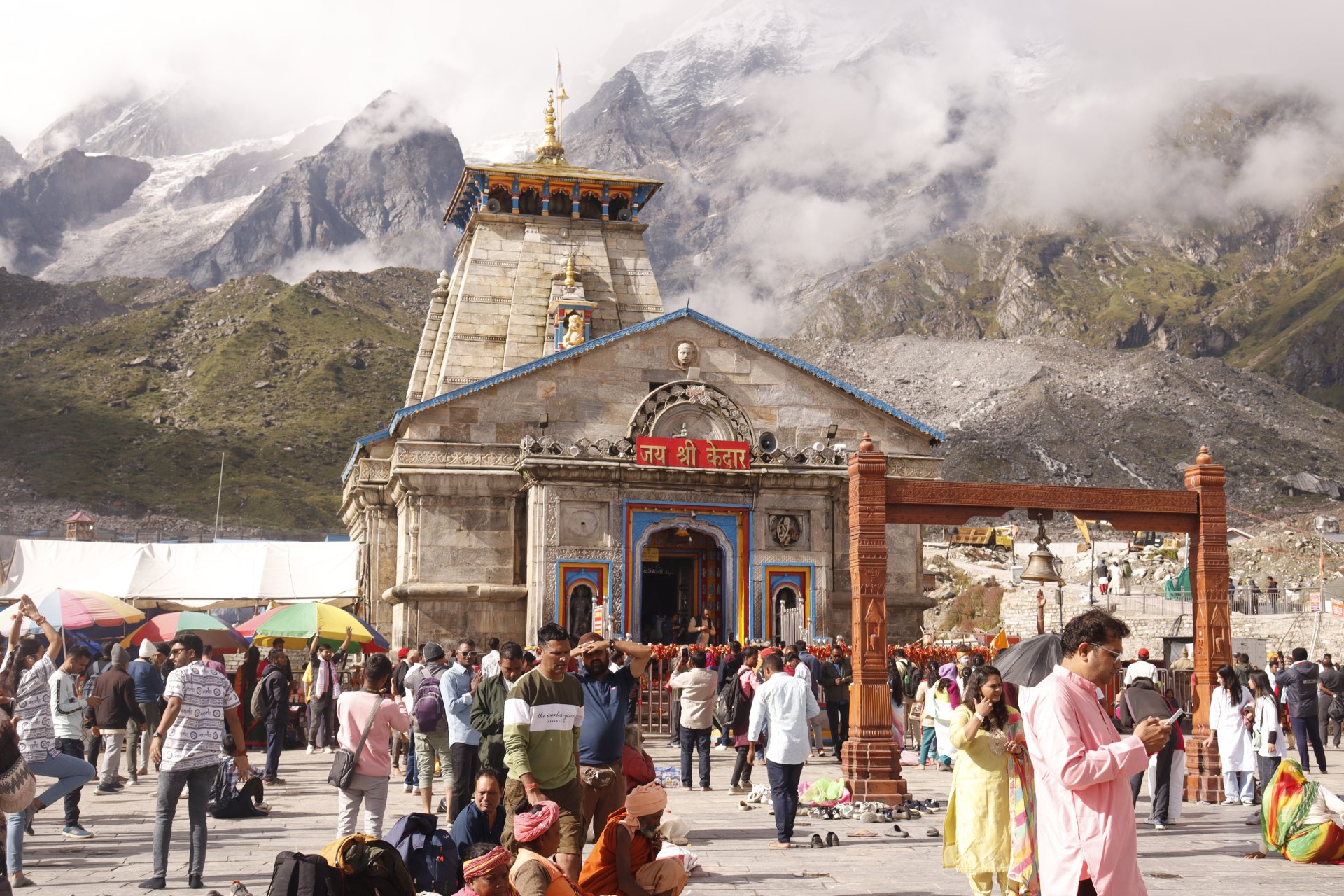
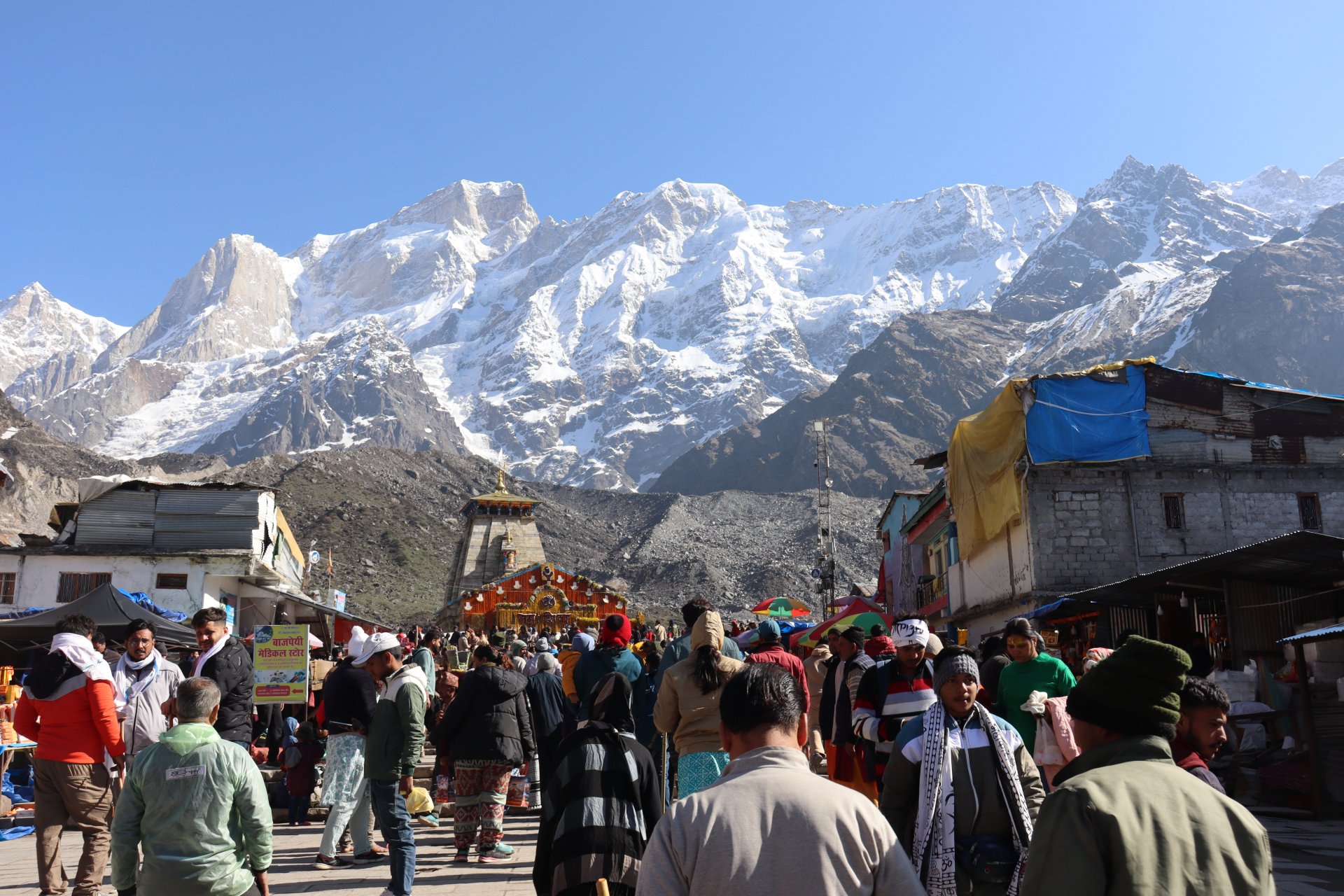
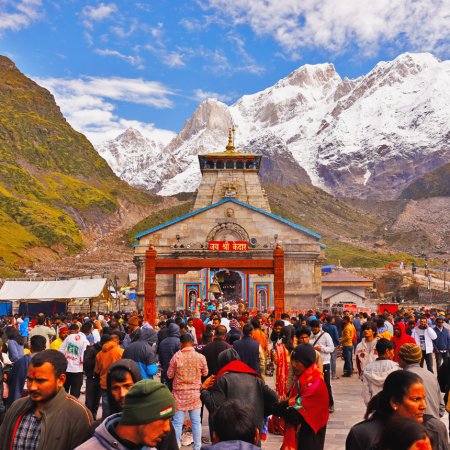
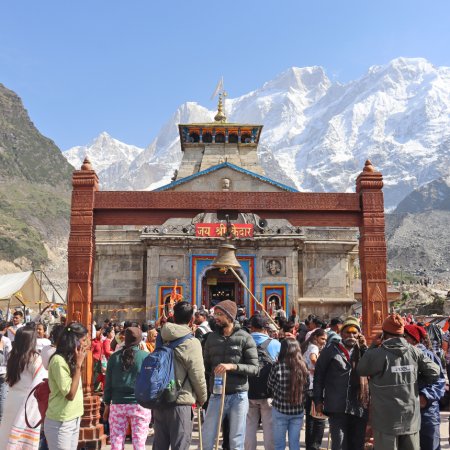
Kedarnath Dham tests your patience and perseverance to get the darshan (view) of Lord Shiva’s idol. After stops and light snacking at some intervals, you eventually reach Kedarnath Dham, at the right time for evening aarti (prayer). The Kedarnath Temple lights majestically, in the evening’s hue, giving you a one-in-a-million chance to look at Kedarnath Dham.
Kedarnath Dham, apart from its religious significance, is also famous for its placement amidst the Garhwal Himalayan Ranges. The Dham’s backstory is one of Lord Shiva’s trials of the Pandavas’ intentions. He wanted to test their patience and perseverance and the Dham's location continues to do so at present.
Pandavas built Kedarnath to worship the back hunch of Lord Shiva in a bull's disguise. This along with 4 other Lord Shiva temples in Uttrakhand make Panch (5) Kedar. Lord Shiva is the Destroyer, in Hindu Mythology. He destroys to make way for more creation and by destroying the inner demons of the devotees, he helps them turn a new leaf.
Once the evening aarti is done, you'll all retire to camps or dormitories after dinner at Kedarnath.
It's the day for Kedarnath Dham Darshan, you wake up early in the morning and take a bath. After soaking in the divinity of Lord Shiva, have your breakfast and descend to Gaurikund. For devotees with walking-related issues, mules and horses are available.
The descent brings you views of mountains that you will cherish for a lifetime. Other than that, the whole idea of this day is to trek down to Gaurikund, take a taxi to Sonprayag, and walk to Sitapur. The evening will call for a hotel check-in, where you have dinner and retire for the night.
The day begins with your breakfast, then boarding a taxi to Pipalkoti. During this 150 km drive, we will make a stop somewhere for lunch. Afterwards, the next stop is Pipalkoti, where you will be assisted with hotel check-in. You can now rest or explore Pipalkoti, before dinner and eventually rest for tomorrow's journey to Badrinath.
The nights you'll stay at Pipalkoti are 2, one upon reaching Pipalkoti, and one after coming back from Badrinath. The journey from Sitapur to Pipalkoti will give you many watch-worthy spots like Ukhimath, Makkumath, Sari, Koteshwar, etc. Other temples that fall mid-way are Shri Gopinath Temple, Tungnath Temple, and Shree Jageshwar Mahadev Mandir.
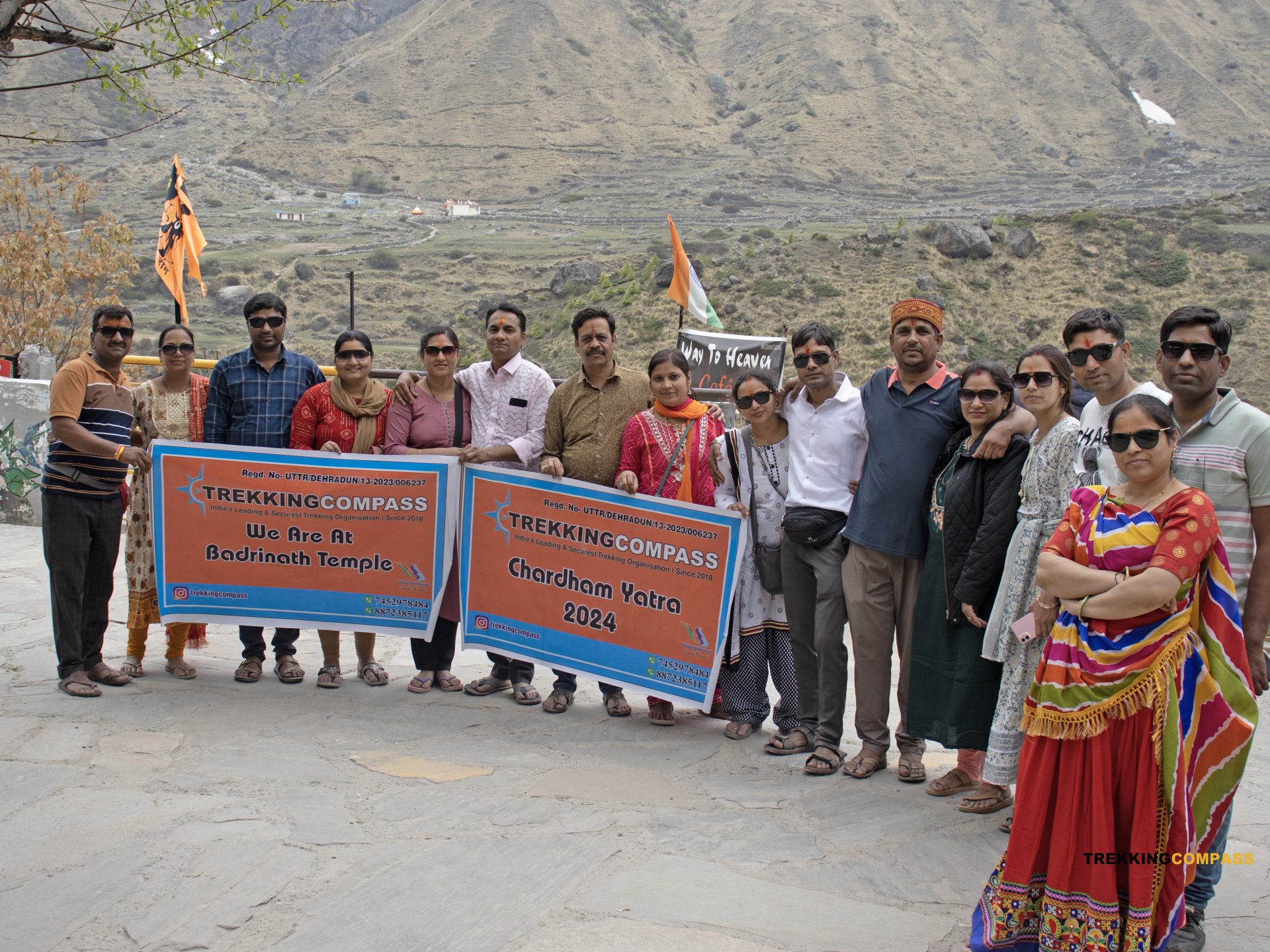
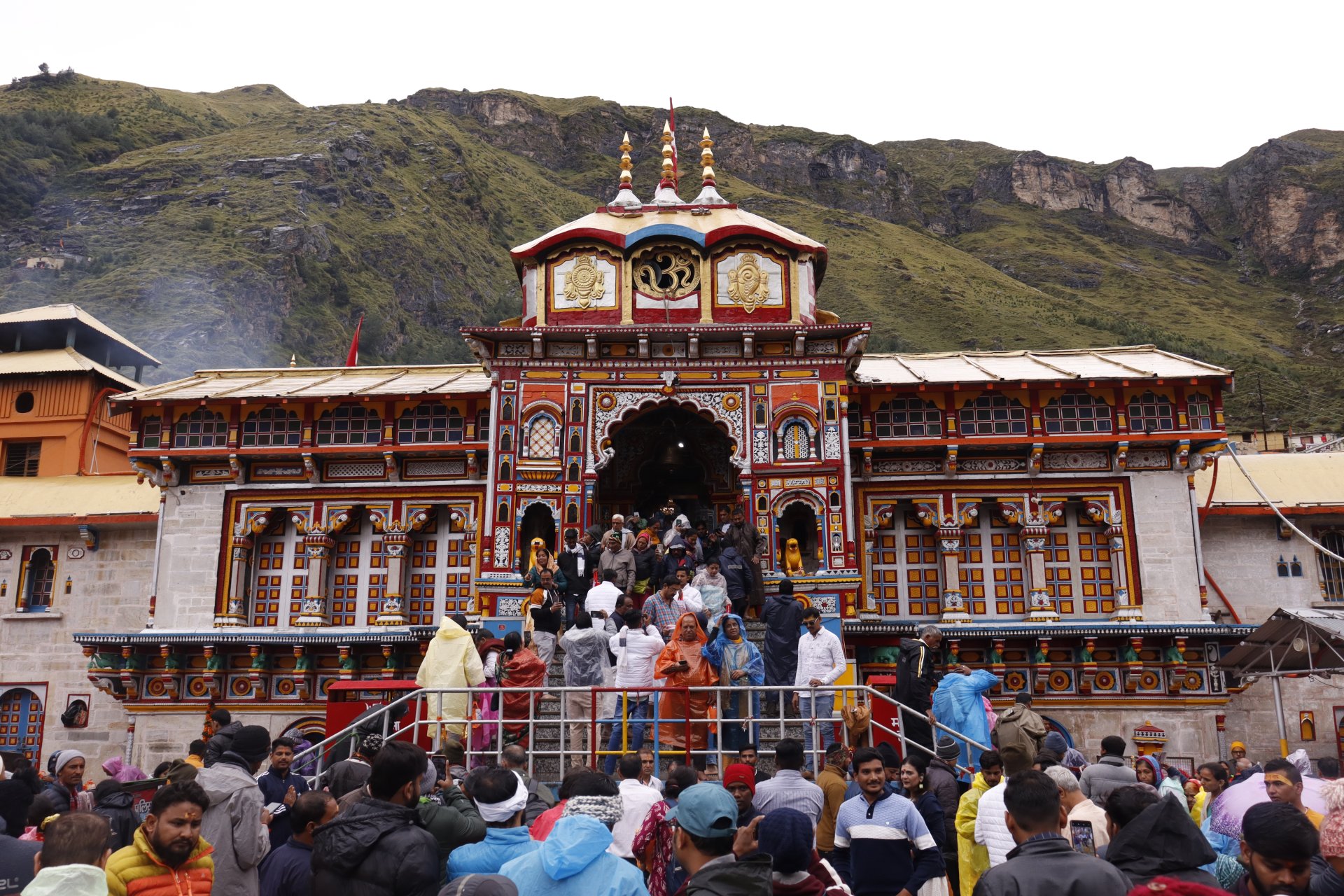
The day starts early and after breakfast and check-out, you will drive to Badrinath Dham. At Badrinath Dham, everyone will line up for the darshan (view) of the black Vishnu idol; one of the Swayamvyakt Shetras. Badrinath temple is the shrine for the Hindu god, Lord Vishnu: The ‘Protector.’ Devotees who come visit here, have a desire to keep their lives functioning smoothly. Who can better help with that than the Protector? Lord Vishnu takes care of what happens around the world and devotees seek his blessings for their lifetime.
Badrinath Dham has two stories of origin, each one better than the other. In one story, Maa Lakshmi (Lord Vishnu’s wife) comes to his rescue as a Badri tree. She gives him shade from the sun while he continues his Tapasya (penance). In the other story, the incarnations of Lord Vishnu, Nar, and Narayana lived at Badrinath Dham. The Dham was their ashram, which was later re-established by Adi Shankaracharya, who also elected it one of the Char Dhams around India.
Badrinath is not only about the Dham, it has other places that devotees reminisce about. The most special of them all is Mana Village wherein you have the Last Tea Shop, Vasundhara Fall, Vyas Gufa, BhimPul, and a mesmerizing sight of the Saraswati River. Mana village is equally famous for its woolen products like ashan, carpets, mufflers, shawls, caps, pankhi, etc.
Lastly, when you return to Pipalkoti, your Do Dham Yatra is complete. Now, rest and have dinner at Pipalkoti.
The last day of the Do Dham Yatra involves a comfortable drive to Haridwar from Pipalkoti. Your day begins with breakfast and then boarding the taxis to Haridwar. The way there is laced with natural beauty, pine and deodar trees, and spiraling roads.
Other than this, you have many sites of importance where you can make a stop. These include Gopeshwar, Karnaprayag, Rudraprayag, Srinagar, Devprayag, Rishikesh, and Nandaprayag. The road also has some temples like Dhari Devi Temple and Vashishta Gufa Temple.
The Do Dham Yatra refers to visiting two of the four sacred shrines of the Char Dham circuit — Kedarnath (dedicated to Lord Shiva) and Badrinath (dedicated to Lord Vishnu). This spiritual journey through the Garhwal Himalayas is one of India’s most revered pilgrimages. Kedarnath, nestled at 3,583 m beside the Mandakini River, is one of the twelve Jyotirlingas and symbolizes divine strength and forgiveness. Badrinath, at 3,133 m on the banks of the Alaknanda River, represents compassion and salvation. Together, they form the core of Himalayan spirituality — a journey that purifies the mind, strengthens faith, and offers both divine blessings and breathtaking mountain beauty.
The Yatra season opens in May (on Akshaya Tritiya) and continues till October or early November.
The Badrinath temple is easily accessible by road, but Kedarnath involves a trek of around 16–18 km from Gaurikund. The trek can be moderate to challenging depending on weather and fitness level. For elderly or differently-abled pilgrims, helicopter services and pony or palki options are available. With proper rest, warm clothing, and pacing, pilgrims of all ages can successfully complete the Yatra.
The Yatra typically starts from Haridwar or Rishikesh, both well-connected by road and rail.
A standard 6–8 day itinerary includes:
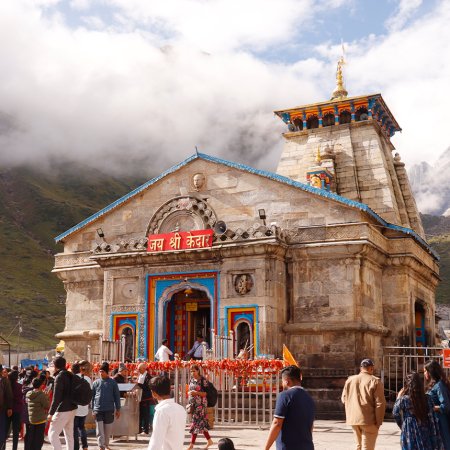
Kedarnath is one of the most ancient and sacred shrines of Lord Shiva, built near the source of the Mandakini River. According to legend, after the Mahabharata war, the Pandavas sought penance from Shiva for their sins. The Lord, disguised as a bull, dived into the ground at Kedarnath — and his hump appeared here as the Jyotirlinga. The temple, made of grey stone slabs, stands resiliently against snowstorms and floods, symbolizing faith’s endurance. The present temple, believed to be over 1,200 years old, was built by Adi Shankaracharya in the 8th century.
Badrinath Temple is dedicated to Lord Vishnu, who is believed to have meditated here under the Badri tree. Adi Shankaracharya established the shrine as part of his spiritual unification of India. The idol of Lord Badrinarayan is made of black Shaligram stone and depicts the deity seated in meditation. The temple is flanked by the Neelkanth Peak (6,597 m), and the Tapt Kund hot springs nearby are believed to cleanse sins before darshan. The serenity of Badrinath is unmatched, offering both divine and natural peace.
The Yatra begins from Haridwar or Rishikesh, both accessible by train and road.
Moderate physical fitness is required, especially for the Kedarnath trek. Pilgrims should be able to walk 6–8 km per day with gradual climbs. One month before the journey, engage in walking, stair climbing, or yoga to build stamina. Senior citizens or those with health conditions should carry medical certificates and consult doctors before starting.
Yes. Registration with the Uttarakhand Tourism Department is mandatory for all pilgrims for safety tracking.
Accommodation ranges from budget lodges, dharamshalas, and GMVN rest houses to comfortable hotels. Kedarnath offers camping tents, rest houses, and government cottages, while Badrinath has modern hotels with heating facilities. Advance booking is recommended during May–June when crowds peak.
Yes, as both temples are located above 3,000 m, mild altitude effects like headache or fatigue may occur. Staying hydrated, ascending gradually, and proper rest help prevent AMS. The weather can shift quickly — sunshine can turn to rain or snow within hours. Always carry warm layers, gloves, and waterproof jackets.
Yes, thousands of senior pilgrims complete the Yatra each year. Helicopter services to Kedarnath, porters, and pony/palki options make it manageable for all ages. Families with children can complete the Badrinath route easily by car. Proper rest stops, slow pace, and health precautions make the journey safe and fulfilling for everyone.
With Trekking Compass, your Do Dham Yatra becomes more than a pilgrimage — it becomes a well-guided spiritual journey. We offer customized Yatra packages, including transport, accommodation, temple darshan assistance, and optional helicopter bookings. Our experienced guides and local partners ensure safety, comfort, and convenience throughout. From Haridwar’s sacred ghats to Kedarnath’s icy sanctum and Badrinath’s golden temple spire, we handle all logistics so you can focus on devotion and the divine experience. Choose Trekking Compass to travel not just through mountains, but through the path of inner awakening.
Crafted routes, reliable execution, and a trekking experience that feels premium from planning to summit.
Safety
Route checks, first-aid readiness, and trained leaders to keep every step confident.
 Routes
Better pacing, better camps, and real acclimatization designed for experience, not speed.
 Groups
Less crowd, more care so you enjoy the trek, not just finish it.
 Trust
Trust
Clear inclusions, no hidden surprises, and real human support on WhatsApp.