

 Duration
 Route
Route Price
Price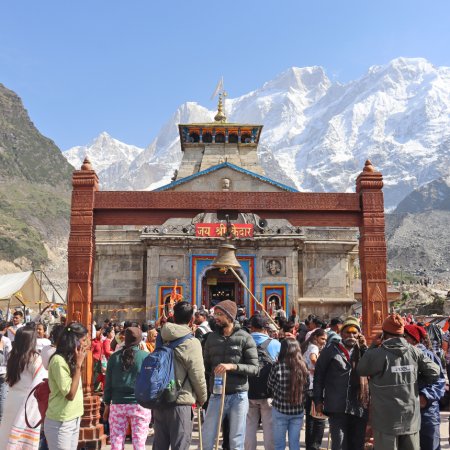
 Safety
Safety & On-Ground Support
Route checks, first-aid readiness, and trained leaders to keep every step confident.
Char Dham Yatra (pilgrimage) is the most revered of all the yatras (pilgrimages) among Hindus, worldwide. The destinations in this 12-day and 11-night journey are attractive to an individual's spiritual and adventurous self.
The journey map includes the following relevant markers (Dhams):
Delhi → Haridwar → Yamunotri → Gangotri → Kedarnath → Badrinath → Haridwar → Delhi
This round trip from Delhi and back to Delhi has other stops that people enjoy. These include Joshimath, Barkot, Sonprayag, Sitapur, Uttarkashi, Guptkashi, Gaurikund, and Pipalkoti. They make the entire route map for The Char Dham Yatra by Trekking Compass. Here is a concise walk-through:
Delhi → Haridwar → Barkot ↔ Yamunotri → Uttarkashi ↔ Gangotri → Sitapur/Guptkashi ↔ Kedarnath → Pipalkoti ↔ Badrinath → Haridwar → Delhi
For more details, check the Char Dham Yatra Itinerary below. If your doubts persist, contact us here.
The day 1 starts when you meet our associate at the given destination in Delhi. The next step is to board the taxi from Delhi to Haridwar. The drive is fascinating as you witness Delhi's hustle disappearing, slowly turning into serene landscapes of the hills. On this 240 km drive, you see the River Ganges, Patanjali Yogpeeth, Amarpur Ghat, etc. This 5 hrs (approx.) journey, will bring you to a well-deserved rest at Haridwar. You get much-needed time for your Char Dham Yatra, starting tomorrow.
The day starts with breakfast and a beautiful morning in Haridwar. Soon after, you meet our travel representative and board the taxis for Barkot. In this 194 km long drive, you will have plenty of time to rest, rejuvenate, and cherish the nature around you.
On your way, you have the opportunity to witness Maa Ganga (River Ganges), flowing right beside your route to Barkot. After a while, you have the company of River Yamuna for the entirety of today's journey. You see the morning sun at Haridwar and by evening, at the time of sunset, you are at Barkot. A hotel and warm dinner will await your arrival there.
Early in the morning, everyone will board a cab and reach Janki Chatti after a 50 km long drive. At Janki Chatti, the motorable road ends and you will trek 5 km to reach Yamunotri Dham, which is near Bhagirathi River and the origins of River Yamuna.
Before entering the Yamunotri Temple, devotees take a dip in the Jamnabai Kund and then offer their prayers to Goddess Yamuna. This shrine is revered for its connections with Devi Yamuna, the daughter of Surya (Sun god). She’s also the sister of Yama (the god of death) and Shani (the god of justice). Devotees visit here to get free of any bad karma (deeds) and untimely death, associated with them.
For devotees, who are unable to trek to Yamunotri Temple, there are horses and mules available. When you come back to Janki Chatti by trekking/mules/horses, you will board the cabs back to Barkot. Barkot welcomes you to an overnight hotel, with warm and comfortable food.
The day starts with a morning breakfast and a drive to Uttarkashi through the Dharasu Band. While on the drive, you can rest back and enjoy nature. Once you reach Uttarkashi, you will check in and get time to rest well for the day ahead.
Way to Uttarkashi will have lots of visit-worthy places that will pop up. These include Wan Village, Shiv Gufa Dwar, Tirupati Balaji Dham, Gaumukh Tapovan Trek (base), etc. All these stops aside, River Bhagirathi will be with you throughout your journey to Uttarkashi.
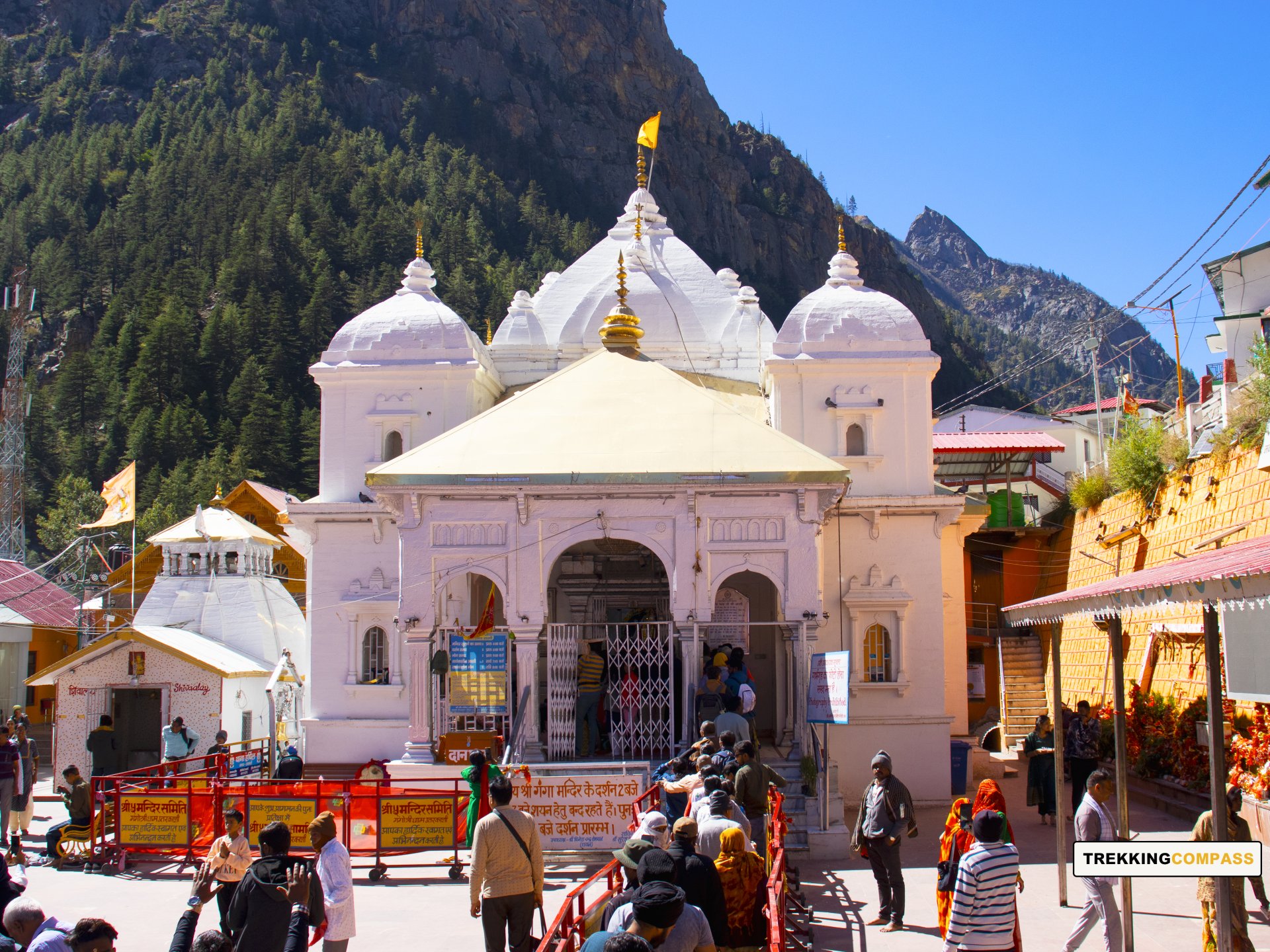
Wake up early in the morning to enjoy the route and the end destination for today. From your hotel at Uttarkashi, you will have your breakfast, board a cab, and drive towards Gangotri. If time allows, there's a famous Kashi Vishwanath temple in Uttarkashi, you can visit that too. On your way to Gangotri, the first stop will be Ganganani. Here the devotees take a dip in the Garam Kund and move towards Gangotri.
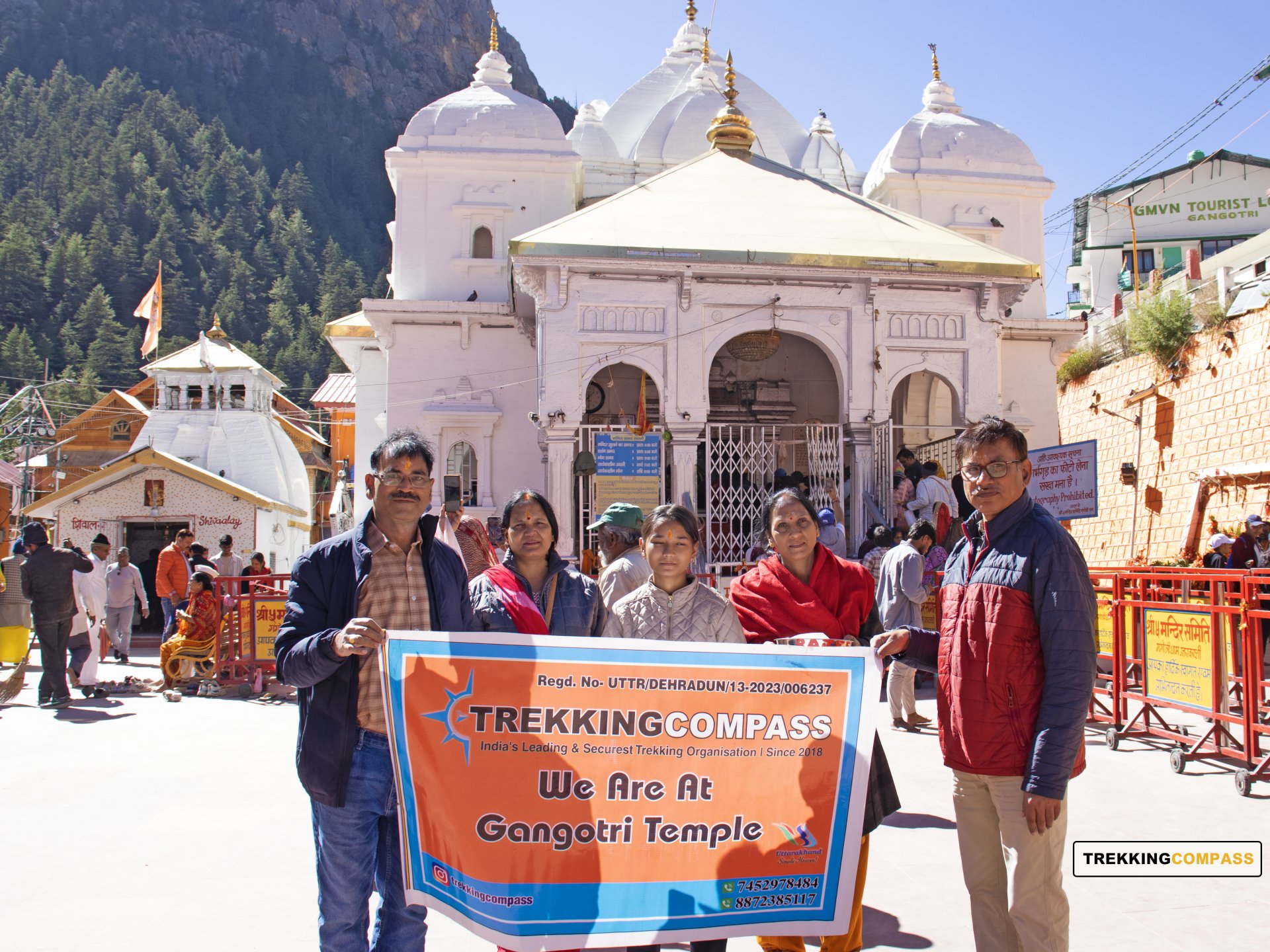
Gangotri Dham houses Goddess Ganga (The Ganges River that flows across most of the states of India.) Here the river is called Bhagirathi in respect to King Bhagirath, whose penance led to the freeing of his ancestors’ spirits and attaining Moksha (salvation). The same stream of River Bhagirathi meets River Alaknanda to form the Ganges River. A few kilometers from Gangotri Dham is Gaumukh (the glacier where the Ganga originates.) People visit Gangotri Dham to get rid of their sins and purify their soles of any karmic cycles. The idol of Goddess Ganga, sister of Devi Parvati is offered prayers by the devotees in the hopes of getting her blessings.
After the darshan, you drive back to Uttarkashi, have your dinner, and rest for the night.
This day is about a long day's drive to Sitapur, from where Kedarnath Dham is the nearest. After your breakfast at Uttarkashi, you will travel for 223 km to reach Sitapur. You will check in here, have your dinner, and take a rest. Tomorrow is a big day, especially with the 22 km long trek.
There are many temples on your way to Sitapur; they are Maa Raj Rajeshwari Mandir, Gaurja Mata Mandir, Sankruna Dhar Devi, Kuteti Devi Temple, and Jakh Devta Mandir. Other than that, near Sendul, from Budha Kedar-Ghansali road you can see the Bal Ganga River merges with the Bhilangana River.
Your morning starts with a light walk (700 m) from Sitapur to Sonprayag taxi stand. Here, you board taxis for Gaurikund, which is a 6 km drive from Sonprayag. At Gaurikund, devotees have two options;
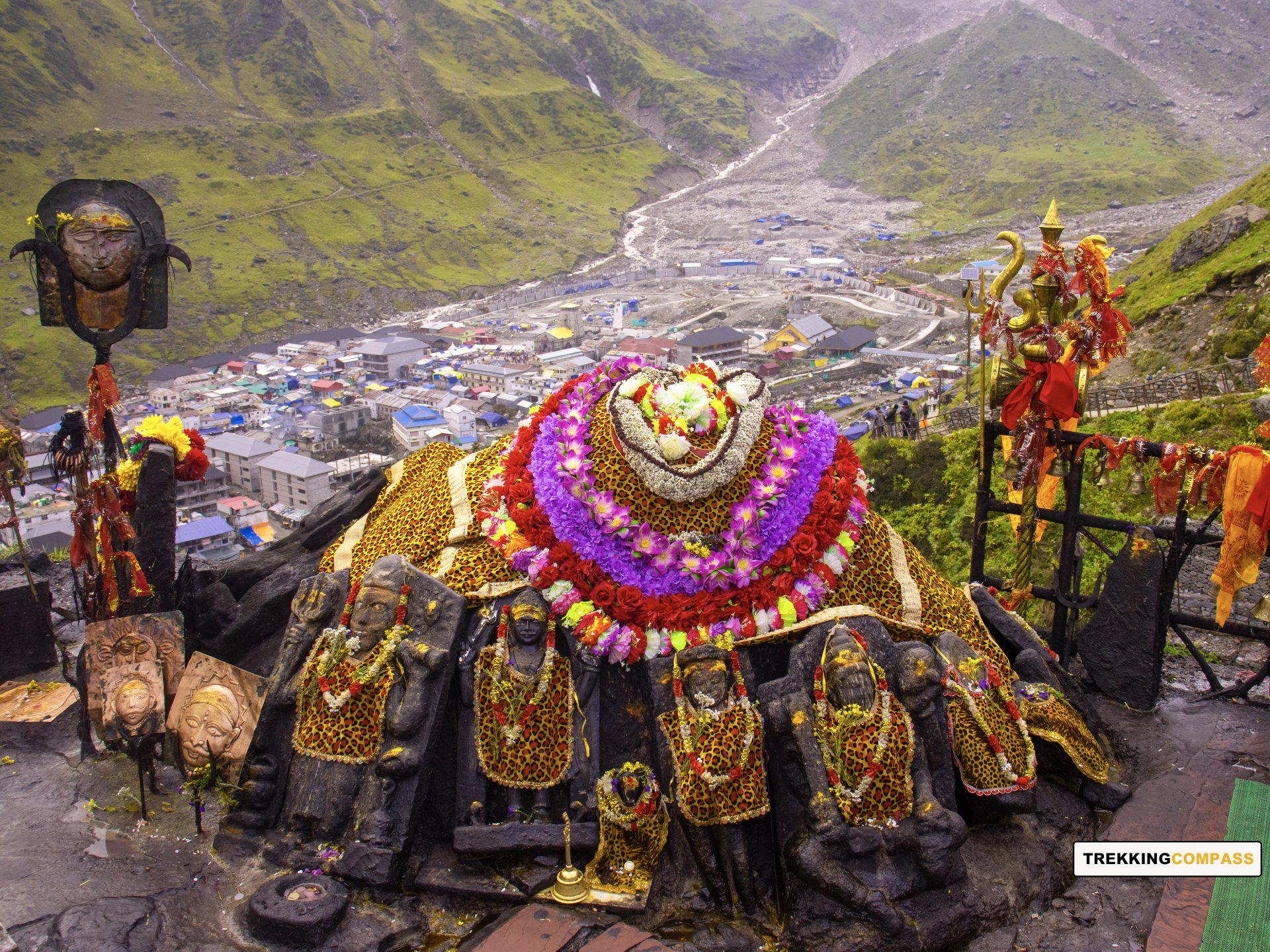
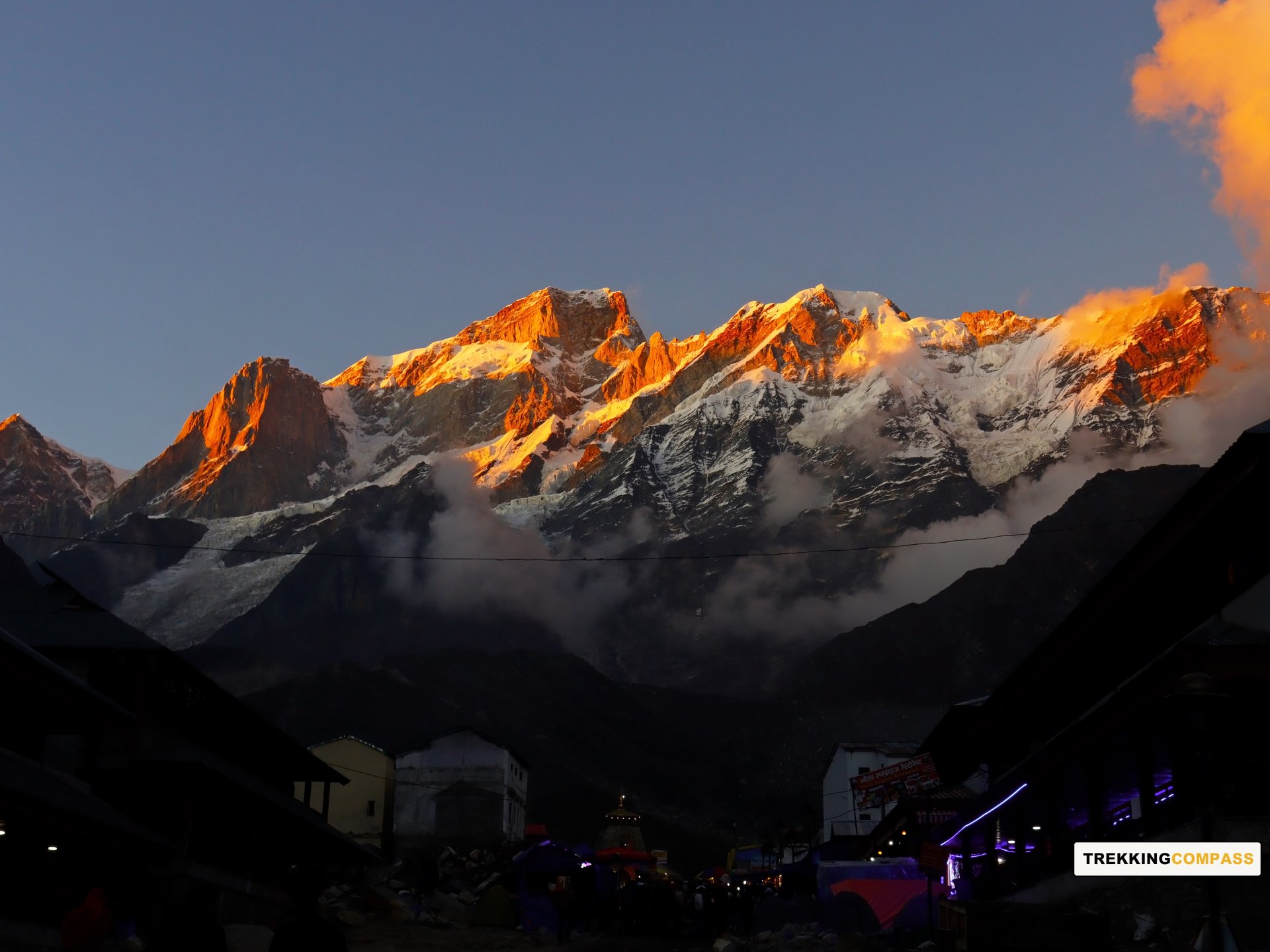
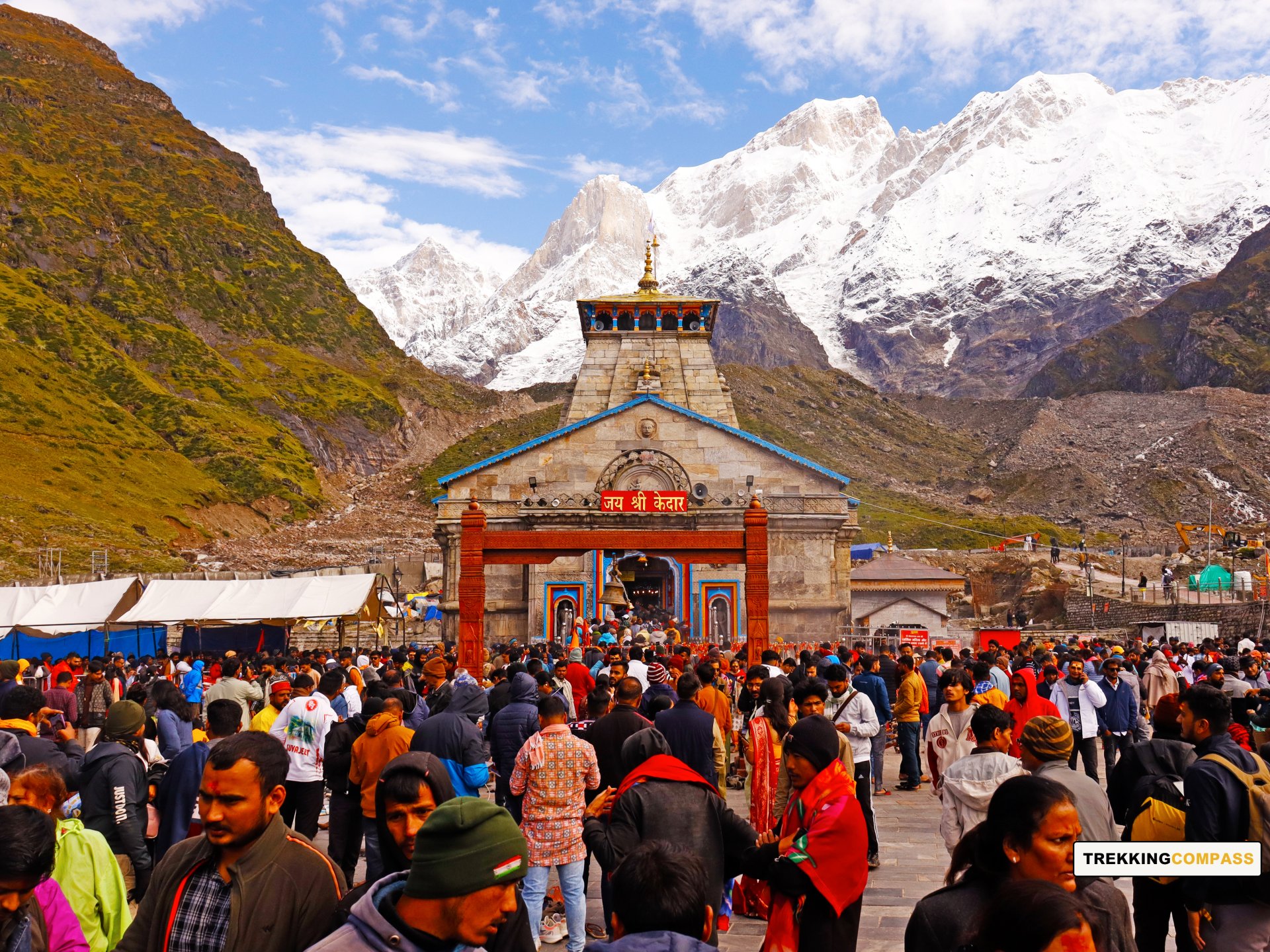
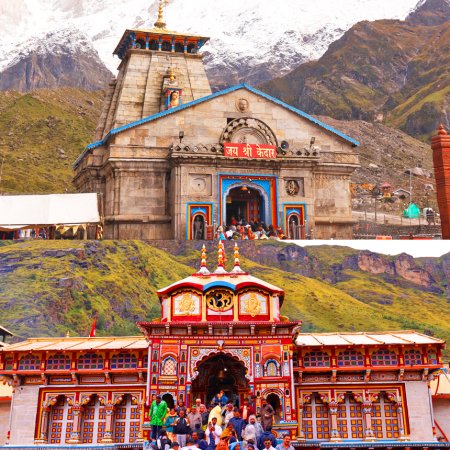
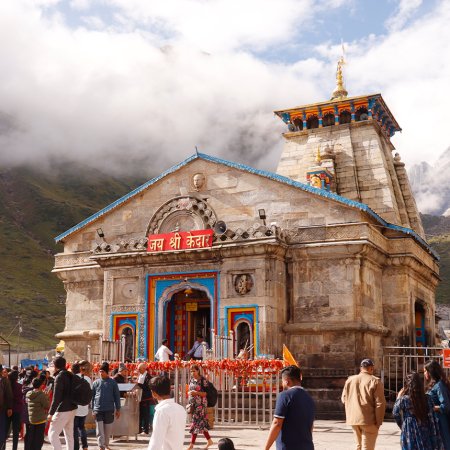
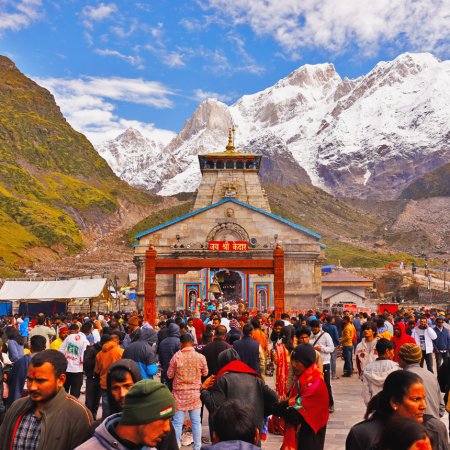
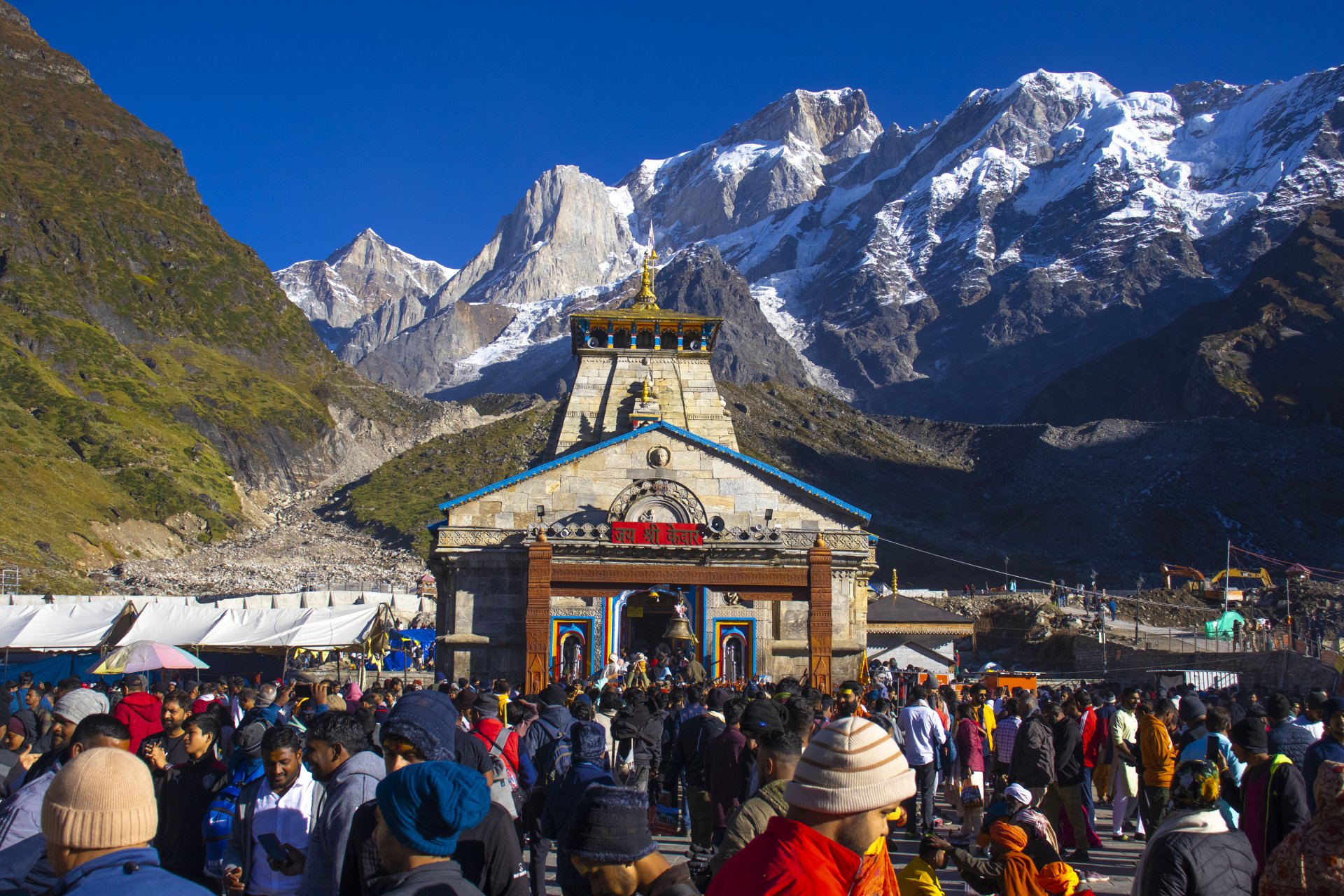
Kedarnath Dham tests your patience and perseverance to get the darshan (view) of Lord Shiva’s idol. After stops and light snacking at some intervals, you eventually reach Kedarnath Dham, at the right time for evening aarti (prayer). The Kedarnath Temple lights majestically, in the evening’s hue, giving you a one-in-a-million chance to look at Kedarnath Dham.
Kedarnath Dham, apart from its religious significance, is also famous for its placement amidst the Garhwal Himalayan Ranges. The Dham’s backstory is one of Lord Shiva’s trials of the Pandavas’ intentions. He wanted to test their patience and perseverance and the Dham's location continues to do so at present.
Pandavas built Kedarnath Temple to worship the back hunch of Lord Shiva in bull-from. This with 4 other Lord Shiva temples in Uttrakhand makes Panch (5) Kedar. Lord Shiva is the Destroyer, in Hindu Mythology. He destroys to make way for more creation and by destroying the inner demons of the devotees, he helps them turn a new leaf.
Once the evening aarti is done, you'll all retire to camps or dormitories after dinner at Kedarnath.
It's the day for Kedarnath Dham Darshan, you wake up early in the morning and take a bath. After soaking in the divinity of Lord Shiva, have your breakfast and descend to Gaurikund. For devotees with walking-related issues, mules and horses are available.
The descent brings you views of mountains that you will cherish for a lifetime. Other than that, the whole idea of this day is to trek down to Gaurikund, take a taxi to Sonprayag, and walk to Sitapur. The evening will call for a hotel check-in, where you have dinner and retire for the night.
The day begins with your breakfast, then boarding a taxi to Pipalkoti. During this 150 km drive, we will make a stop somewhere for lunch. Afterwards, the next stop is Pipalkoti, where you will be assisted with hotel check-in. You can now rest or explore Pipalkoti, before dinner and eventually rest for tomorrow's journey to Badrinath.
The nights you'll stay at Pipalkoti are 2, one upon reaching Pipalkoti, and one after coming back from Badrinath. The journey from Sitapur to Pipalkoti will give you many watch-worthy spots like Ukhimath, Makkumath, Sari, Koteshwar, etc. Other temples that fall mid-way are Shri Gopinath Temple, Tungnath Temple, and Shree Jageshwar Mahadev Mandir.
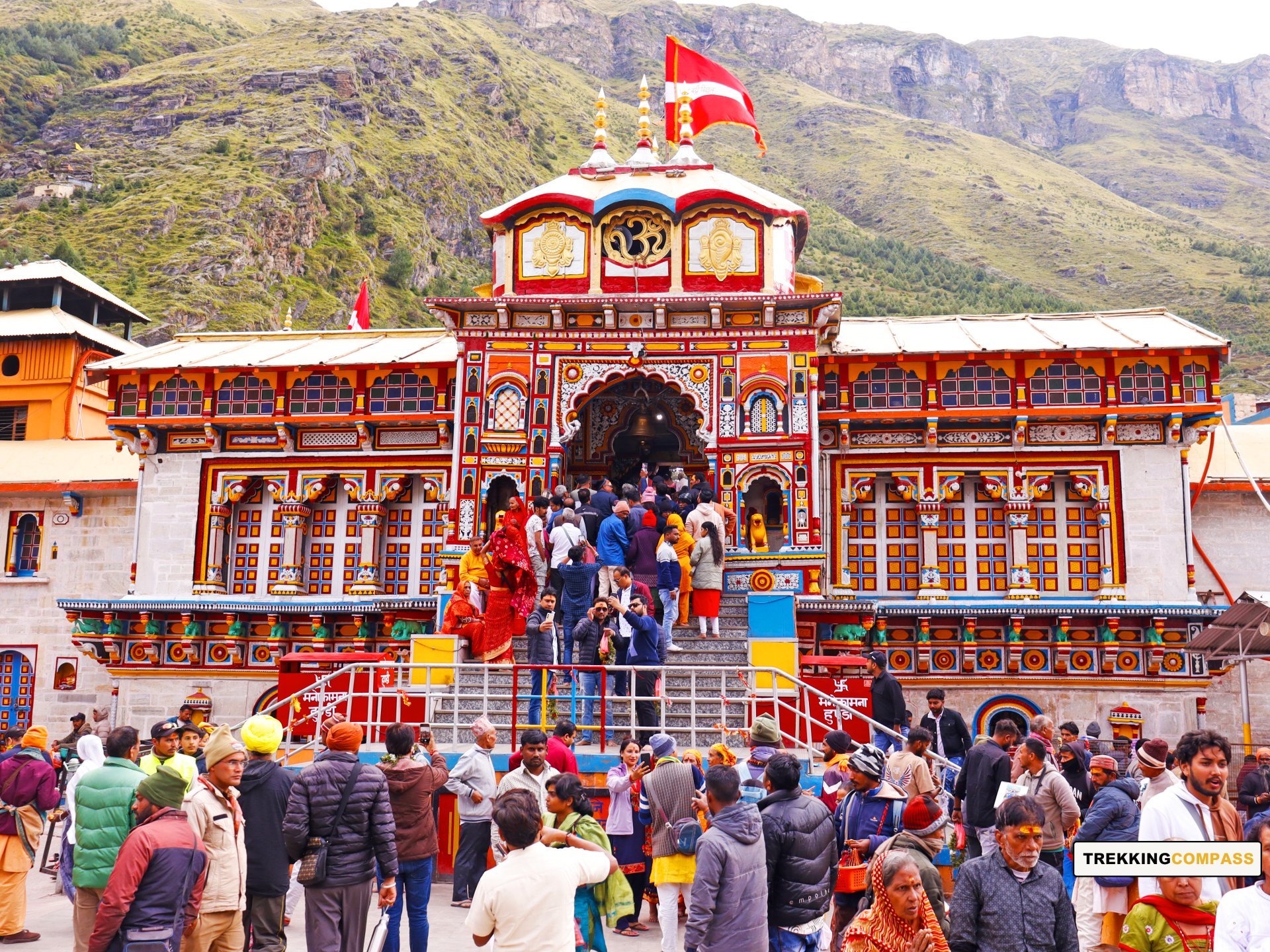
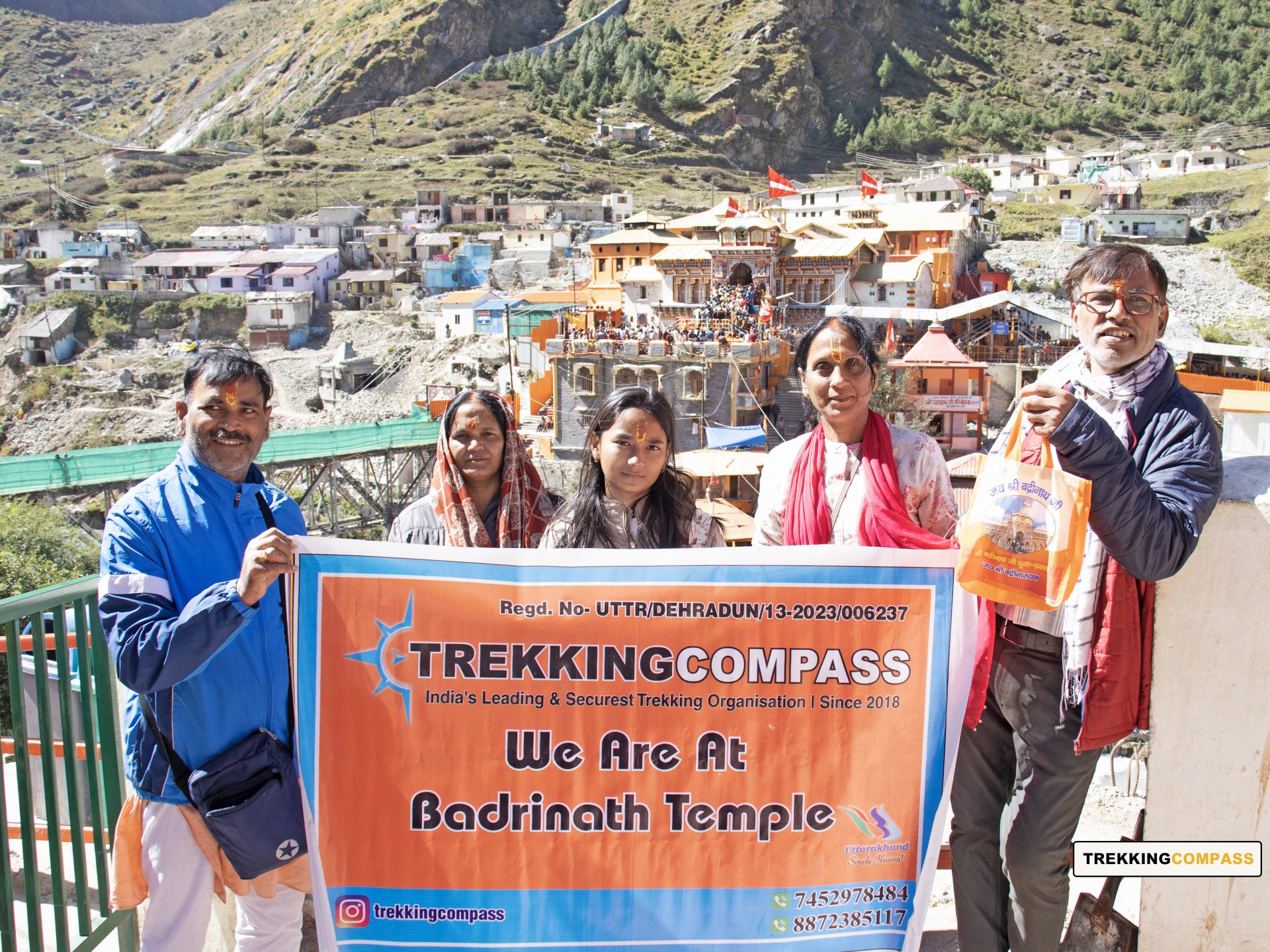
The day starts early and after breakfast and check-out, you will drive to Badrinath Dham. At Badrinath Dham, everyone will line up for the darshan (view) of the black Vishnu idol; one of the Swayamvyakt Shetras. Badrinath temple is the shrine for the Hindu god, Lord Vishnu: The ‘Protector.’ Devotees who come visit here, have a desire to keep their lives functioning smoothly. Who can better help with that than the Protector? Lord Vishnu takes care of what happens around the world and devotees seek his blessings for their lifetime.
Badrinath Dham has two stories of origin, each one better than the other. In one story, Maa Lakshmi (Lord Vishnu’s wife) comes to his rescue as a Badri tree. She gives him shade from the sun while he continues his Tapasya (penance). In the other story, the incarnations of Lord Vishnu; Nar and Narayana lived at Badrinath Dham. The Dham was their ashram, which was later re-established by Adi Shankaracharya, who also elected it one of the Char Dhams around India.
Badrinath isn't only about the Dham, there are other places where devotees reminisce. The most special of them all is Mana Village wherein you have the Last Tea Shop, Vasundhara Fall, Vyas Gufa, BhimPul, and a mesmerizing sight of the Saraswati River. Mana village is equally famous for its woolen products like ashan, carpets, mufflers, shawls, caps, pankhi, etc.
Lastly, when you return to Pipalkoti, your Char Dham Yatra is complete. Now, rest and have dinner at Pipalkoti.
The day starts with comfortable drive to Haridwar from Pipalkoti. Your day begins with breakfast and then boarding the taxis to Haridwar. The way there is laced with natural beauty, pine and deodar trees, and spiraling roads.
Other than this, you have many sites of importance where you can make a stop. These include Gopeshwar, Karnaprayag, Rudraprayag, Srinagar, Devprayag, Rishikesh, and Nandaprayag. The road also has some temples like Dhari Devi Temple and Vashishta Gufa Temple. In Haridwar, You will stay at the hotels or homestays booked by us. You can spend the rest of your day resting or choose to explore Haridwar.
You will return to Delhi today, escorted by our travel associate by a taxi. The journey will take 5 hrs, enough time to rest and reminisce the memories of your Yatra; Gangotri, Yamunotri, Kedarnath, and Badrinath. For someone who's not a resident of Delhi, you also have a day to explore some of Delhi; the capital of India.
The Char Dham Yatra of Uttarakhand — also known as the Chota Char Dham — is one of the most revered pilgrimages in India. It covers four ancient temples dedicated to Hindu deities in the high Himalayas: Yamunotri, Gangotri, Kedarnath, and Badrinath. These four shrines represent the spiritual origins of India’s holiest rivers — Yamuna, Ganga, Mandakini, and Alaknanda — and are believed to cleanse devotees of all sins, granting moksha (liberation).
Undertaking the Char Dham Yatra is not merely a journey through mountains but a pilgrimage of the soul, blending faith, adventure, and divine natural beauty across Uttarakhand’s Garhwal Himalayas.
The Yatra season officially begins in May (after Akshaya Tritiya) and continues until October or early November, closing before the onset of winter.
The pilgrimage traditionally proceeds from west to east, symbolizing purification and spiritual progression:
The route begins from Haridwar or Rishikesh, passing through Devprayag, Uttarkashi, Rudraprayag, and Joshimath — scenic towns on the banks of sacred rivers.
The Yatra varies in difficulty depending on the shrine:
The full Yatra typically takes 10 days by road from Haridwar or Rishikesh.
Although motorable routes reach close to each shrine, moderate fitness is advised. Daily walking, stair climbing, or yoga practice helps build stamina. Treks like Kedarnath involve steep climbs and altitude exposure. Elderly pilgrims should consult a doctor before starting the Yatra and carry necessary medication.
Accommodation ranges from budget lodges and GMVN guesthouses to private hotels and ashrams. At Kedarnath, accommodation includes tented camps and dharamshalas, while Badrinath offers modern hotels and lodges. Booking in advance during peak season (May–June) is strongly recommended.
Yes. Pilgrims must register online or offline with the Uttarakhand Tourism Department for safety tracking and crowd management. Registration can be done through:
Weather in the Himalayas changes rapidly. Temperatures range from 25°C in the day to 5°C at night in summer.
Yes, thousands of elderly pilgrims and families undertake the Yatra every year. For ease of travel:
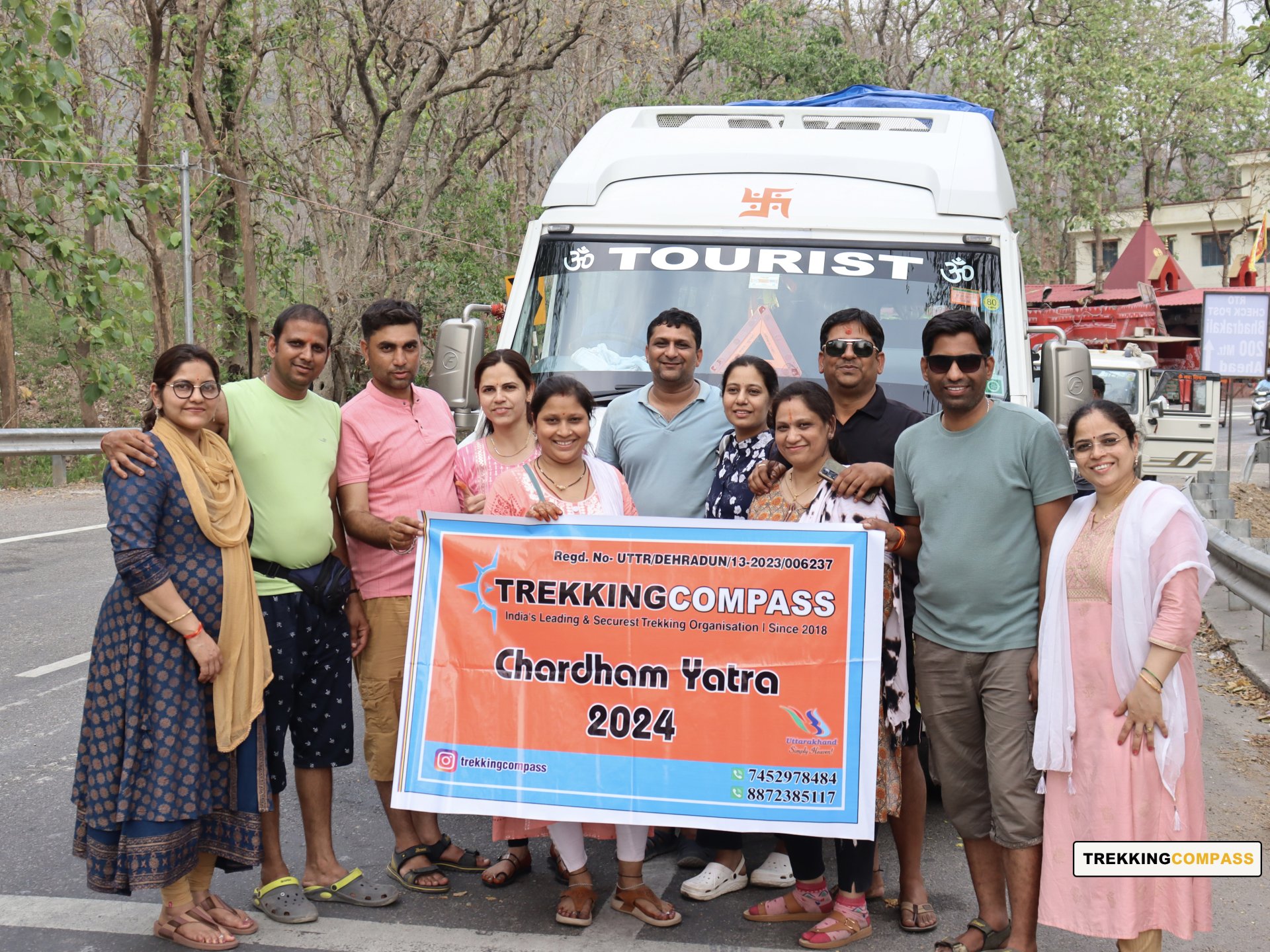
At Trekking Compass, we blend spirituality with seamless travel experiences. Our curated Char Dham Yatra packages include well-planned itineraries, comfortable stays, experienced guides, and safe transportation through the Himalayas. Whether you seek divine blessings, a family pilgrimage, or an adventurous spiritual escape, we ensure every step of your journey is smooth, soulful, and memorable. With us, you don’t just visit the shrines — you rediscover yourself amidst the sacred peaks of Uttarakhand.
You can easily reach Delhi by air, train, or bus from any major city in India. Indira Gandhi International Airport (DEL) is well connected with daily domestic and international flights. Delhi also has excellent railway connectivity — New Delhi, Old Delhi, and Hazrat Nizamuddin stations serve most routes. For nearby travelers, intercity Volvo buses and private cabs are convenient options. Once in Delhi, our meeting point details and pickup instructions will be shared prior to departure.
Crafted routes, reliable execution, and a trekking experience that feels premium from planning to summit.
Safety
Route checks, first-aid readiness, and trained leaders to keep every step confident.
 Routes
Better pacing, better camps, and real acclimatization designed for experience, not speed.
 Groups
Less crowd, more care so you enjoy the trek, not just finish it.
 Trust
Trust
Clear inclusions, no hidden surprises, and real human support on WhatsApp.